Well, I really don’t know how I did it, but after creating this pattern 4 years ago (when I returned to cross stitching), I took photos, etc. but somehow managed to *not* post it.
I wonder whether or not I wrote a blog post about it, forgot about it, deleted it, or what…but the pattern is now for sale in my Etsy shop. Better late than never, as it’s said.
So, here it is, my Love to Sew cross stitch pattern…
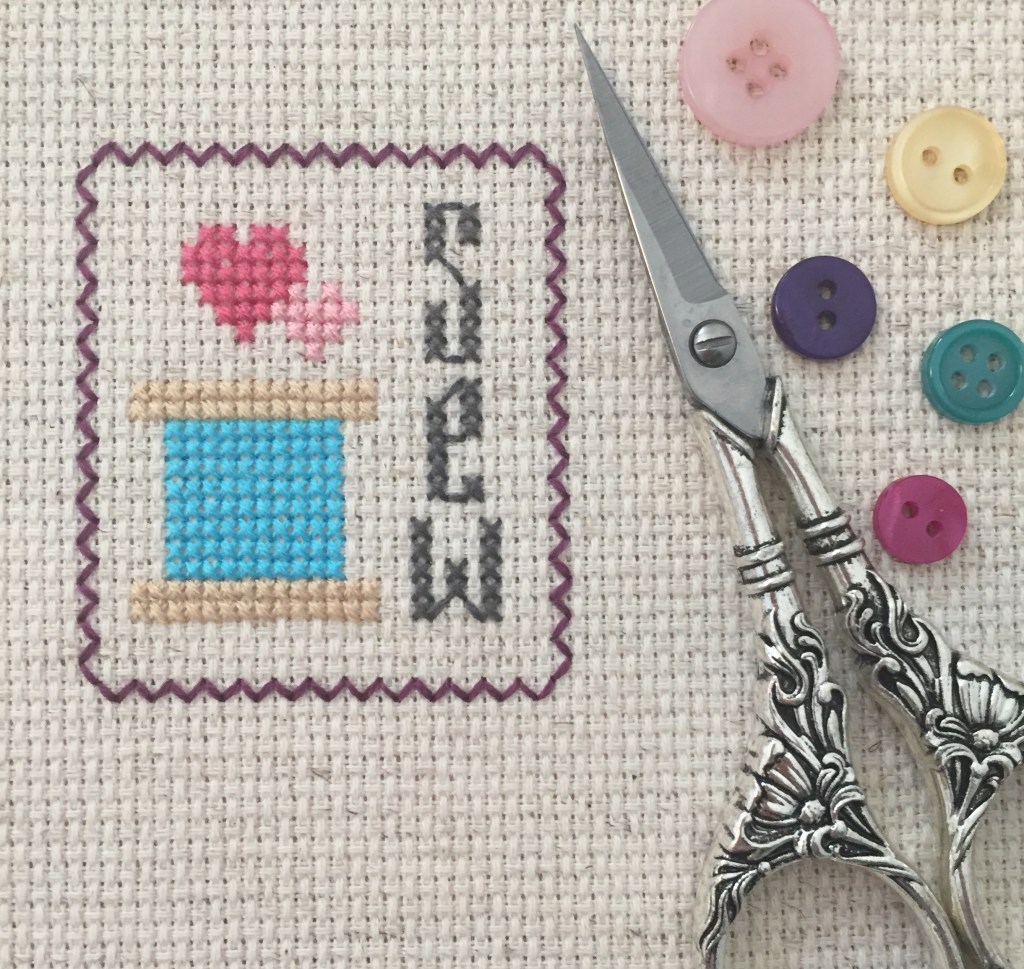
Back in 2020, I wanted to combine by love of sewing with my revisited hobby (I was big into cross stitch in the 90s). Then, there seemed to be a resurgence of the craft so I thought I’d try my hand at writing a pattern.
Once finished, it measures 2″ W x 2 1/4″ H (stitched on 14 count Aida fabric). It’s a little design that gives a big message!
What’s more– Love to Sew frames nicely into a 3″ x 4″ or 4″ x 4″ photo frame, so no need for custom framing!
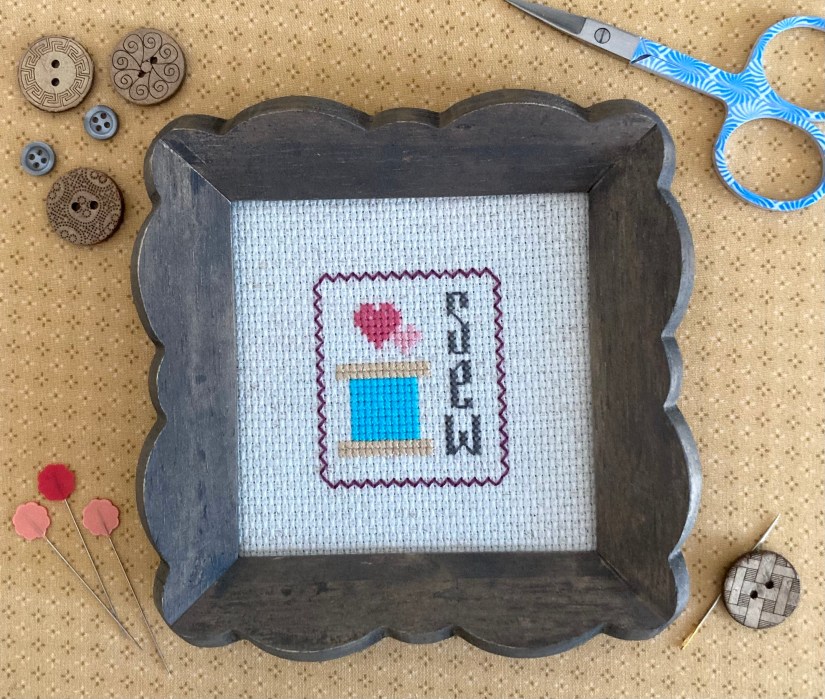
I framed mine in a 4″ square frame. I also had shown it off in a 4″ x 4″ shadow box on a corner shelf for a while.
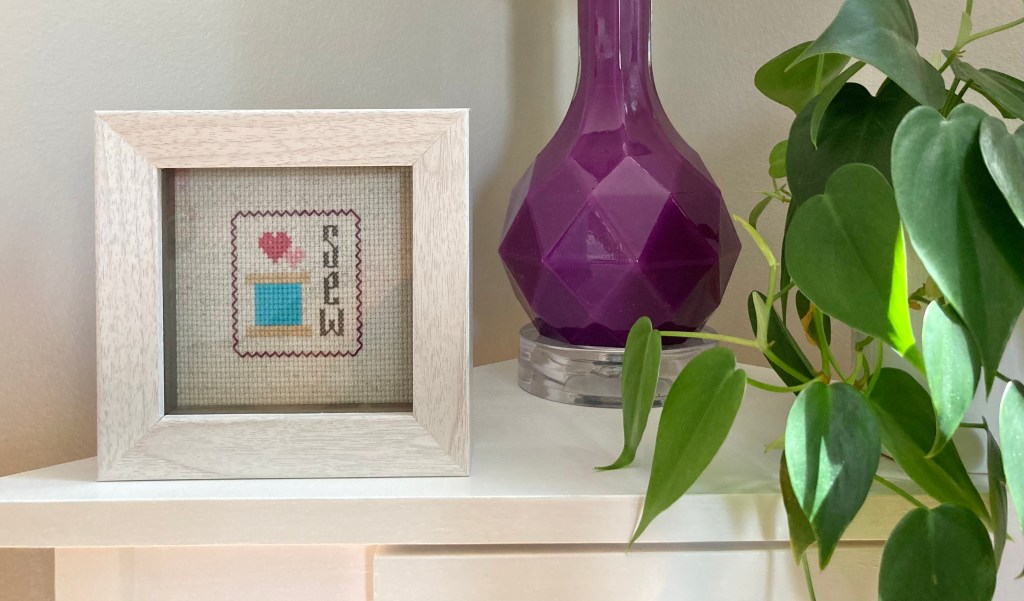
It’s easily stitched by a beginner and is most certainly a quick finish. I think it’d be great also as a pincushion, Christmas ornament or a wall hanging.
Whether you’re new to cross stitch or have been stitching for years, and you love quilting and/or sewing, personalize it and make it your own with your favorite color combo. 🙂
I’d always loved hanging clothes outside while living in PA, but for the past 12 years I’ve really missed the crispness of line-dried clothes. Since a clothesline isn’t feasible where I’m at now, I purchased a drying rack instead.
Afterwards, I quickly discovered the need for a clothespin bag. I found a few tutorials, blended my favorite parts and made my own version.
Here’s what I did to make mine.
First of all, sizes can vary! Since I can’t dry a lot at once, I needed a smaller bag for fewer pins. Once you decide on bag size, choose your clothes hanger size. For a smaller bag, you’ll need a baby clothes hanger, for larger bag, an adult size hanger.
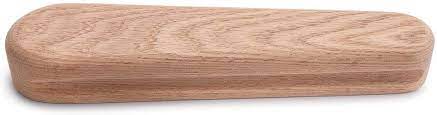
I had a wooden hanger that measured 12″ which was too big, so my husband cut it down to 9″, evenly taking pieces from each side.
For fabric, I used leftover backing yardage from my On Point Nine Patch quilt for the front and back. For the lining, I used red Shabby yardage by Riley Blake. Fat quarters will also work. Whatever you use, you’ll need 2 each of 2 coordinating fabrics.
To get started, on plain paper, trace your hanger around the top and mark the side, but add a bit more to the sides for some give (approximately 1/4″ per side). This will determine the top shape and width.
Decide your length. I made the length about an inch longer than the width, based on how many clothes pins I would need to fit inside. Add 1/2″ around all sides for seam allowance.
When determining the hole, think about your hand size and allow for pins in your hand to fit easily in and out. Place the hole about 2 1/2″ from the top and centered from side to side.
This is what my pattern looked like before cutting.
Before cutting fabric, cut out the hole on the pattern.
To make the front panel, place the front and lining pieces right sides together. Pin down the pattern using plenty of pins around all edges. Cut outside edges.
Draw a line on the fabric, tracing the circle (do not cut a hole in the fabric). Next, sew along the drawn circle line.
Once sewn, cut out the hole leaving a narrow seam allowance. Clip several small slits in the seam to help it lie flat.
Turn the two pieces right side out and press. Sew a 1/8″ top stitch around the circle.
To help keep the layers together, run a zigzag stitch around the entire outside edge. This will also help reduce fraying.
To make the back panel, place the back and lining pieces wrong sides together. Pin the pattern down then cut along the outside edges, ignoring the hole—don’t cut it out!
To complete the bag, place the front panel on the back panel with the outsides facing. Line up all sides, pin and sew a 1/2″ seam allowance.
Make sure to leave a small opening, approximately 1/2″ to 1″, at the top for the clothes hanger hook. The opening size will depend on the type of hanger. My thin metal hook required a smaller opening.
For extra reinforcement, backstitch on both sides of the hook opening and in the bottom corners.
Before turning right side out, cut off all four corners making sure to not cut any stitches. Once you turn the bag out, poke out corners with a blunted object. Press.
Lastly, insert your hanger.
My finished bag measures 9 1/2″ x 11″
Enjoy your cute clothespin bag and your freshly dried laundry!
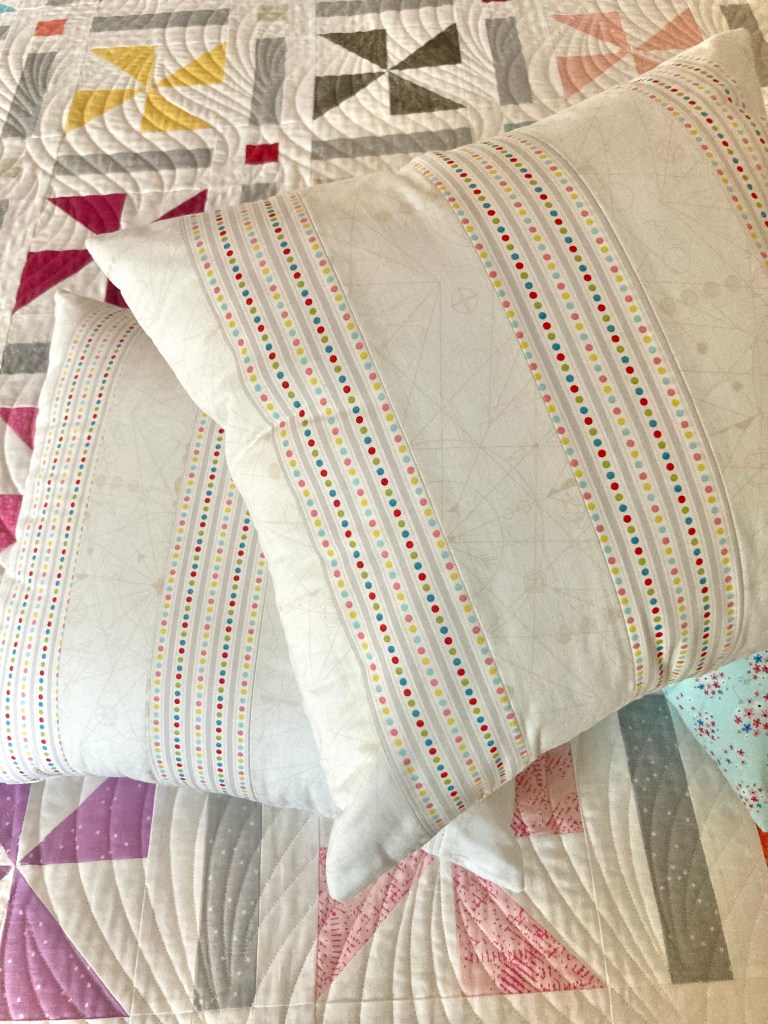
After years of the same 2 pillows on my bed, I decided to make new. As usual, using what I already have, I went through my storage drawers and found perfect fabric go-togethers for 3 new pillows.
I planned to make 2 – 16″ x 16″ squares pillows and 1 – 10″ x 18″ lumbar pillow to be placed in front.
For the lumbar pillow, I used a fat quarter from Art Gallery’s Paperie collection. This line is years out of print now, and I’ve had it for a very, very long time.
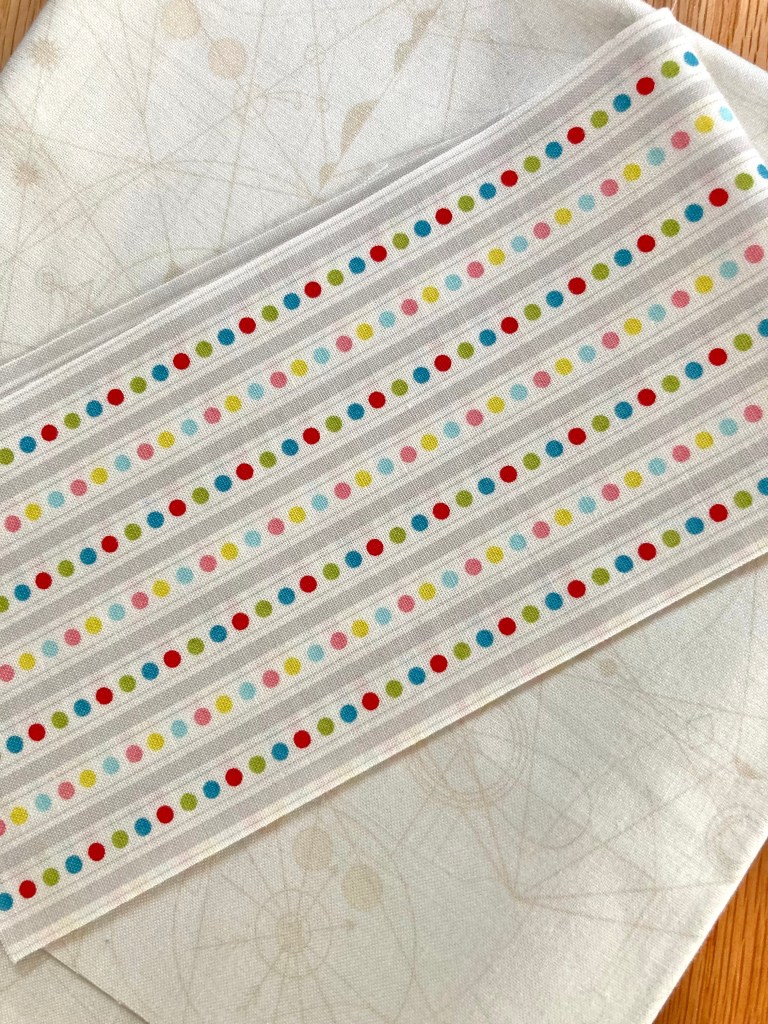
Also years ago, I was drawn to the Compass print from Andover Fabrics. I’d purchased around a yard so I chose that and a striped polka-dot print from I can’t remember who…
I didn’t sew in zippers, not for any reasons other than 1. they usually show on the bottom unless they’re invisible (don’t have any, don’t know how to sew them). 2. I made pillows recently and hand-sewed the bottom with an intricate blanket stitch which worked well. Additionally, they’re decorative so no need to remove covers for laundering.
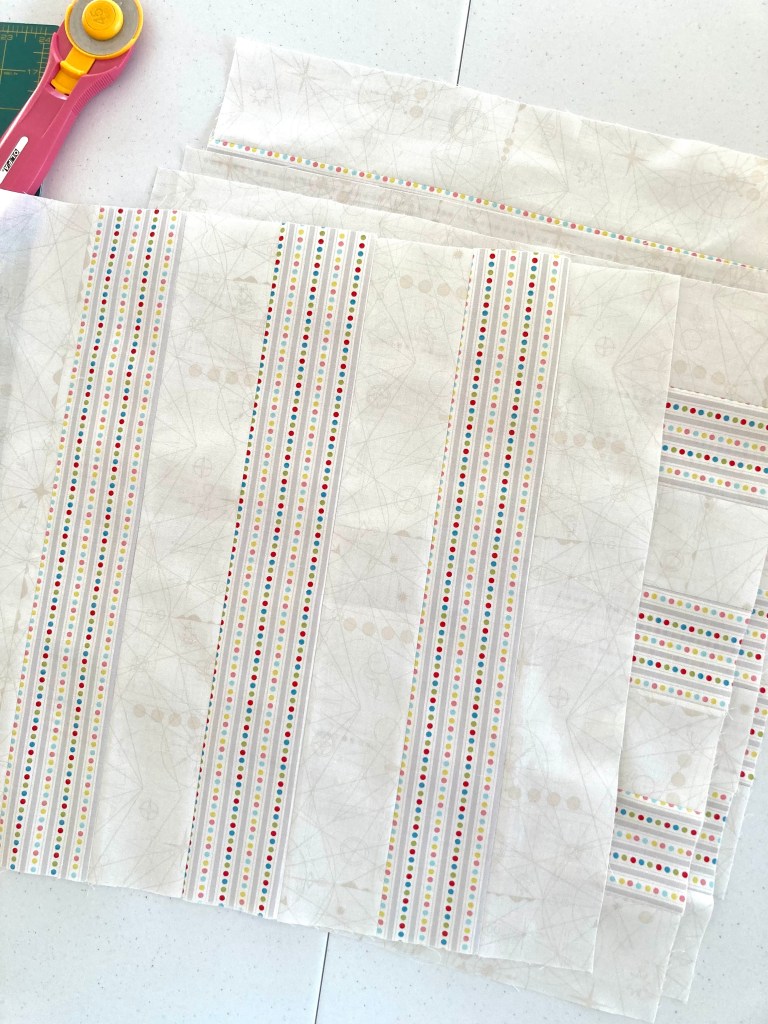
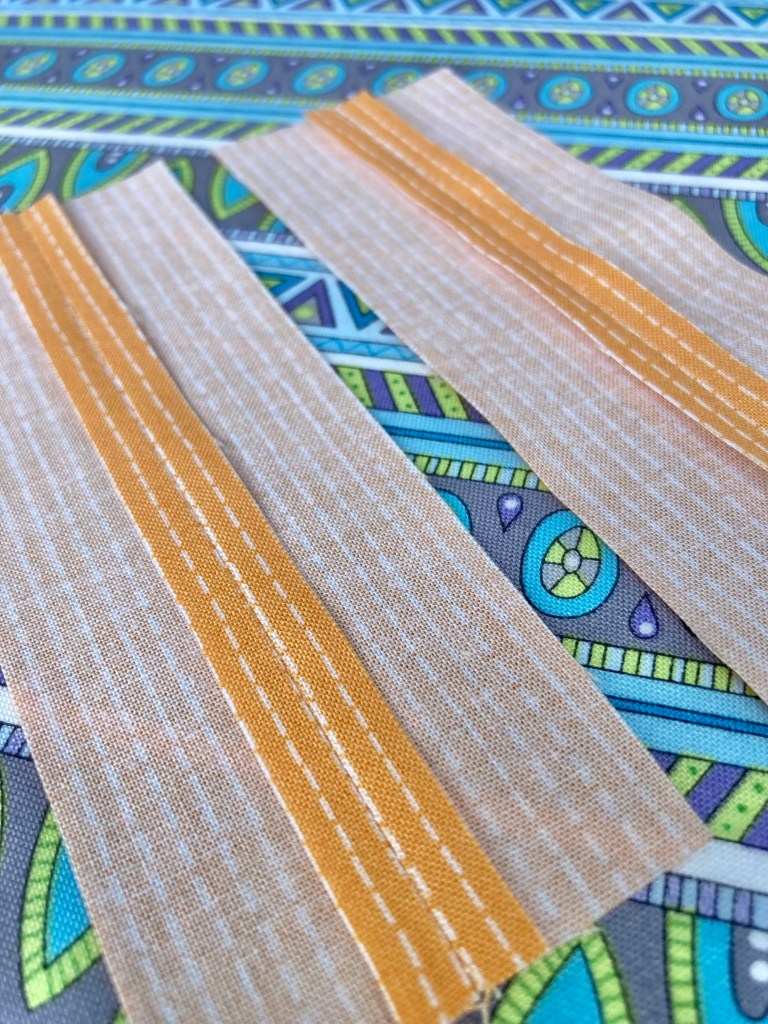
For the 16″ pillows, I needed 4 sides which = 12 striped strips and 16 background strips total. I cut all strips 2 7/8″ x 16 1/2″. Using a 1/4″ seam allowance I made 4 panels.
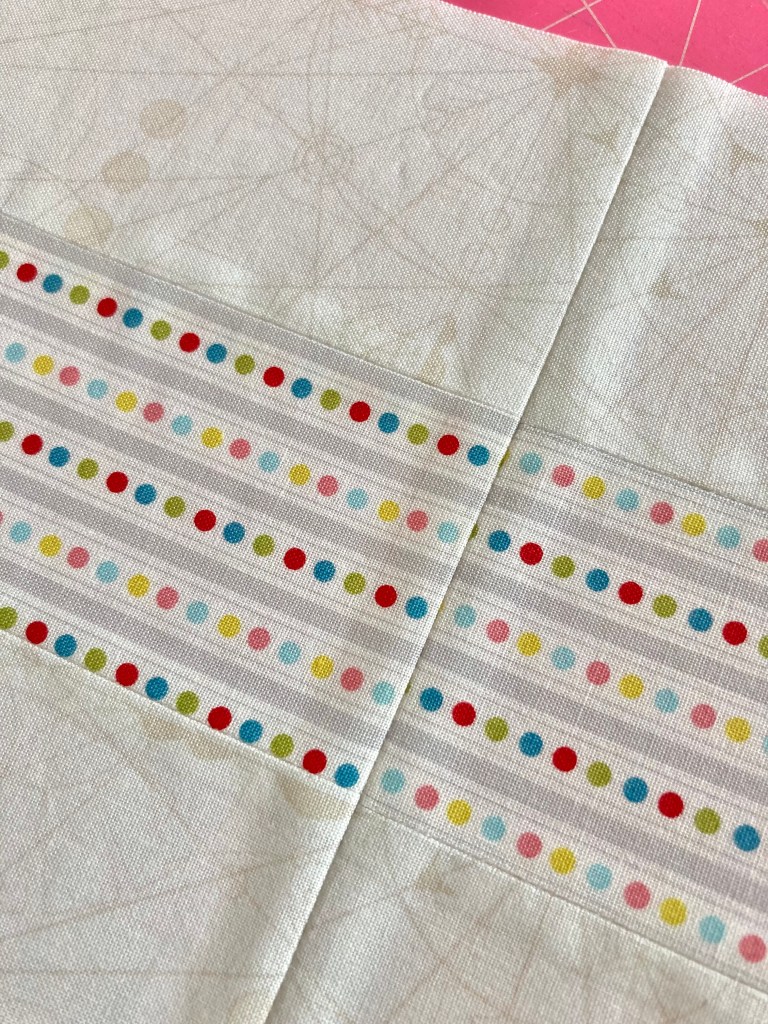
I sewed 2 panels together at the top using the side of my standard foot for the seam allowance. This method allowed me to line up my seams nicely.
To prevent seams from showing through to the front, also to give more loft, I ironed on Pellon Fusible Fleece 987 for a smooth finish.
After attaching the fusible fleece, I sewed the sides and a portion of the bottom, leaving a large enough hole to fit a 16″ square pillow form. I also cut away corners and pushed them out using a blunted stick.
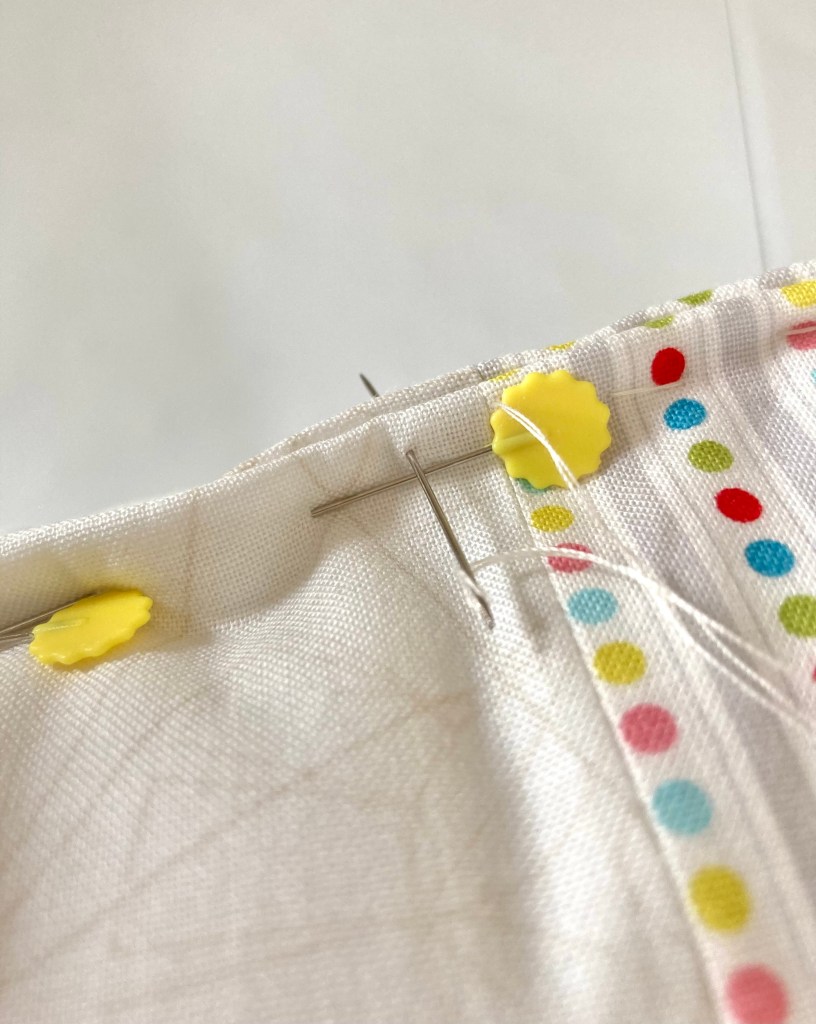
Once the forms were inserted, I pressed a seam at the opening on both panels, pinned them closed, ran a basting stitch then removed pins.
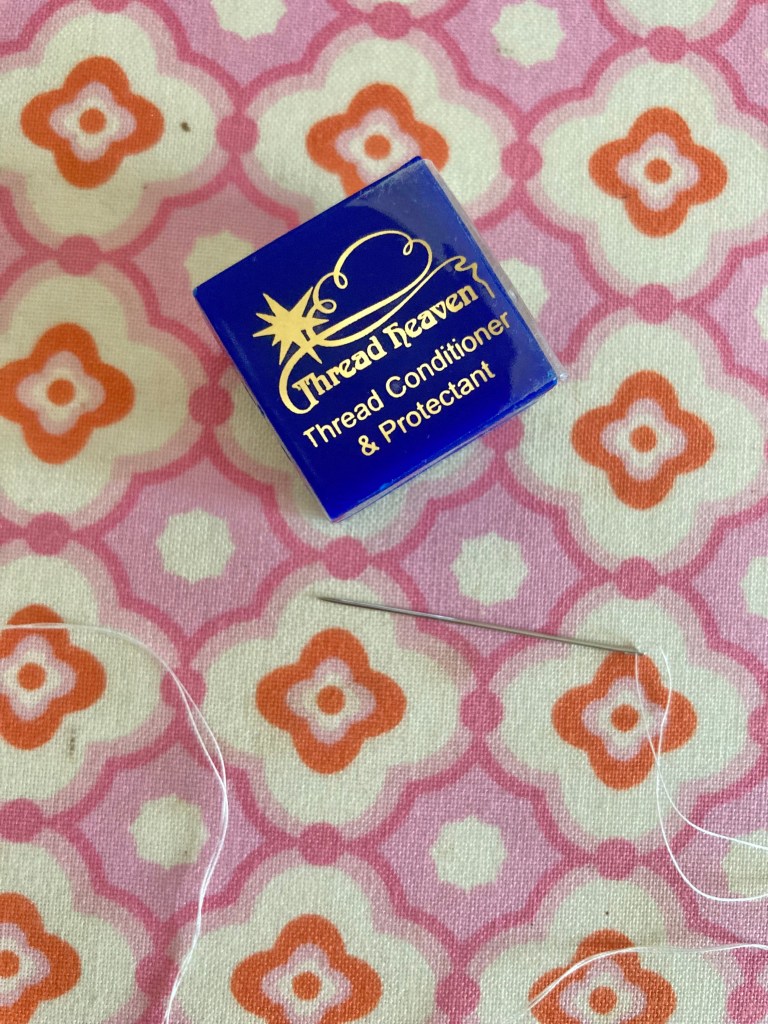
Remember this stuff?
I don’t think it’s made anymore, but one box will last f o r e v e r. I’ve had this for several years and still have plenty left. Since I no longer sew bindings on by hand, I haven’t used it in a long time. But let me tell you, it works like a champ!
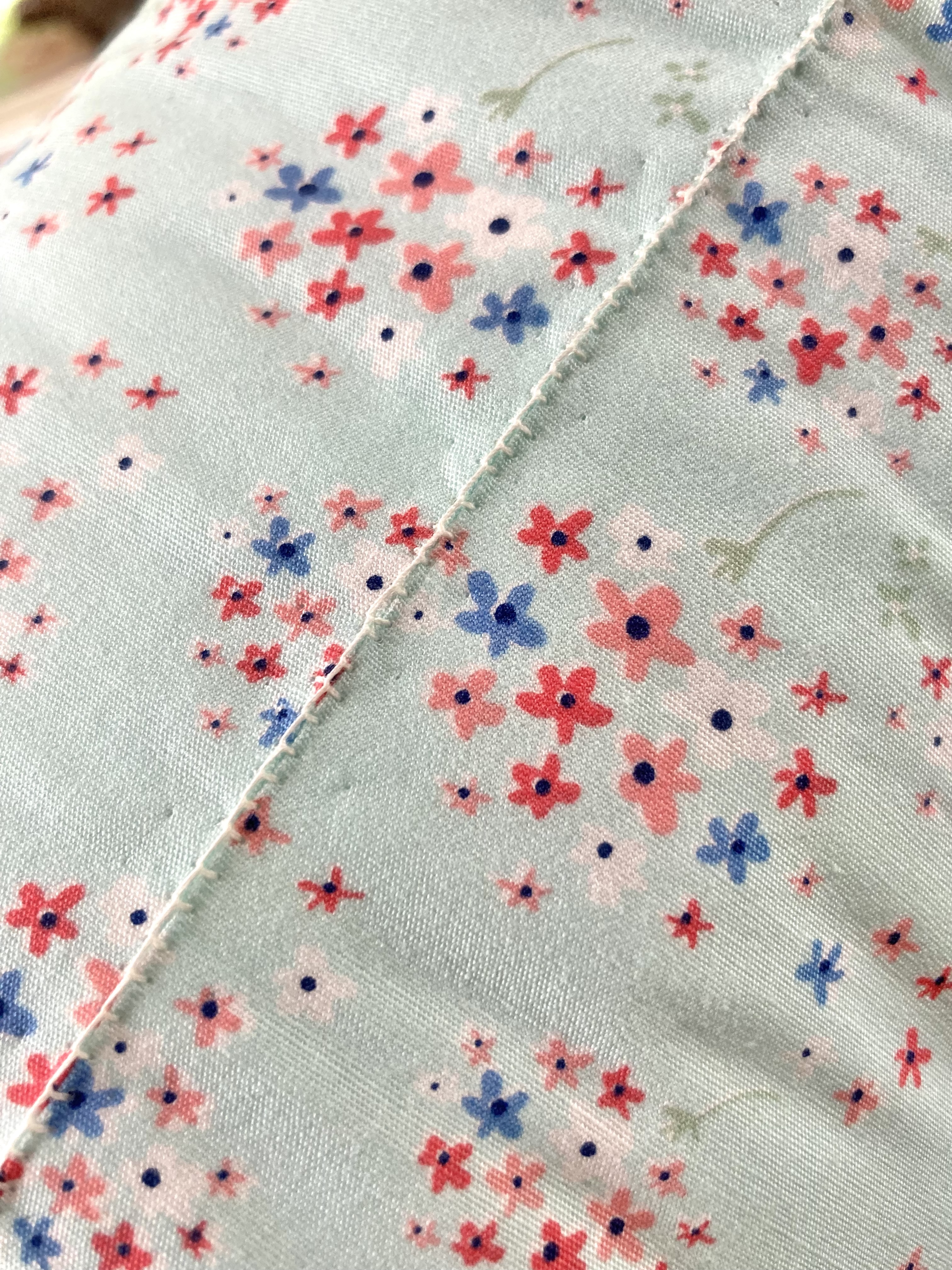
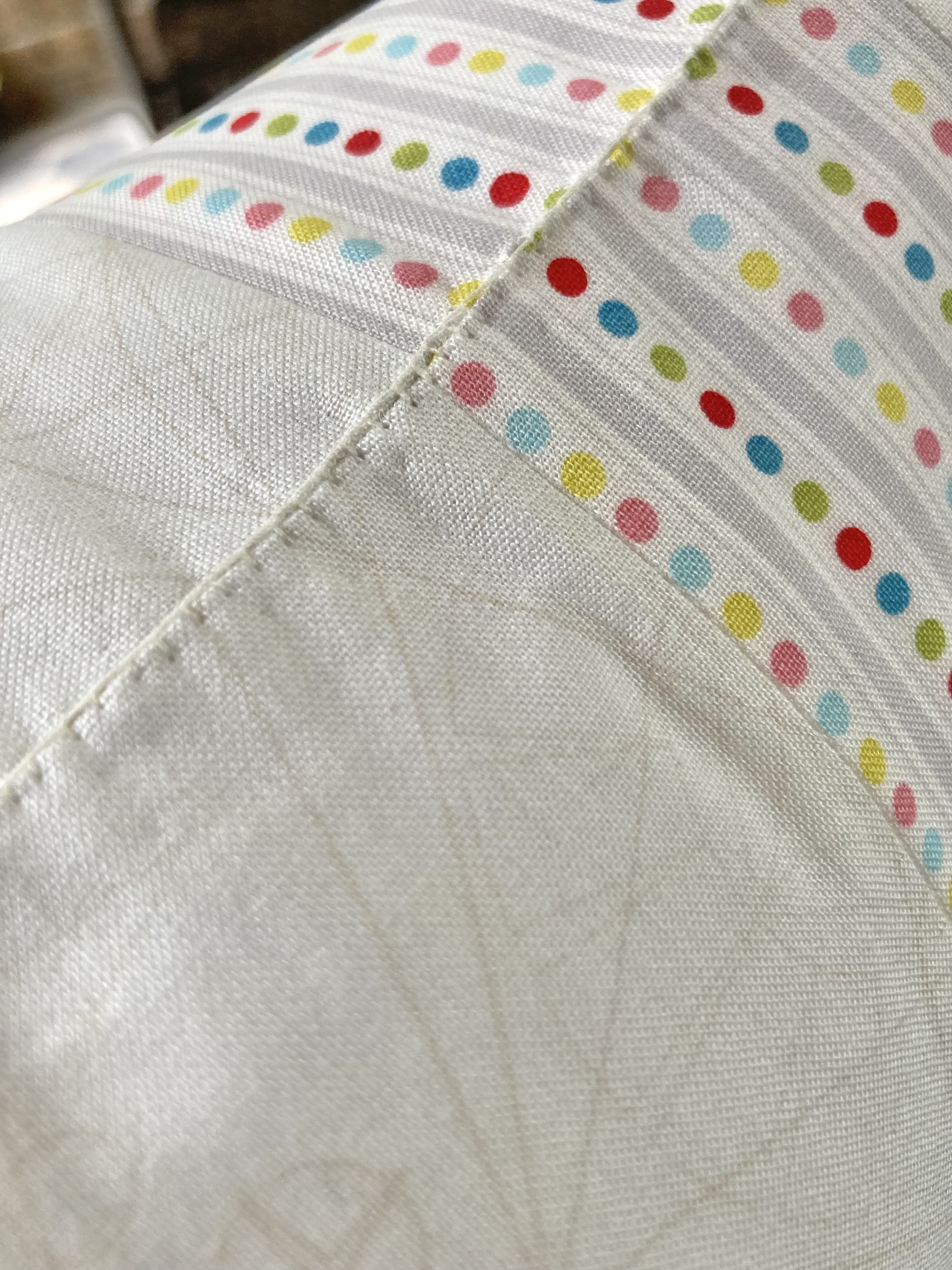
Here’s a look at my hand-sewn seams…
I was pretty pleased with the results. And it didn’t take all that long either.
At the beginning of the new year, I like to take a look back to see what projects I completed or am close to completing, for the last 12 months.
Earlier in the year, I wanted to decorate with toss pillows. Given that I have quite a few fat quarters on hand, it made perfect sense to use them for small chair pillows.
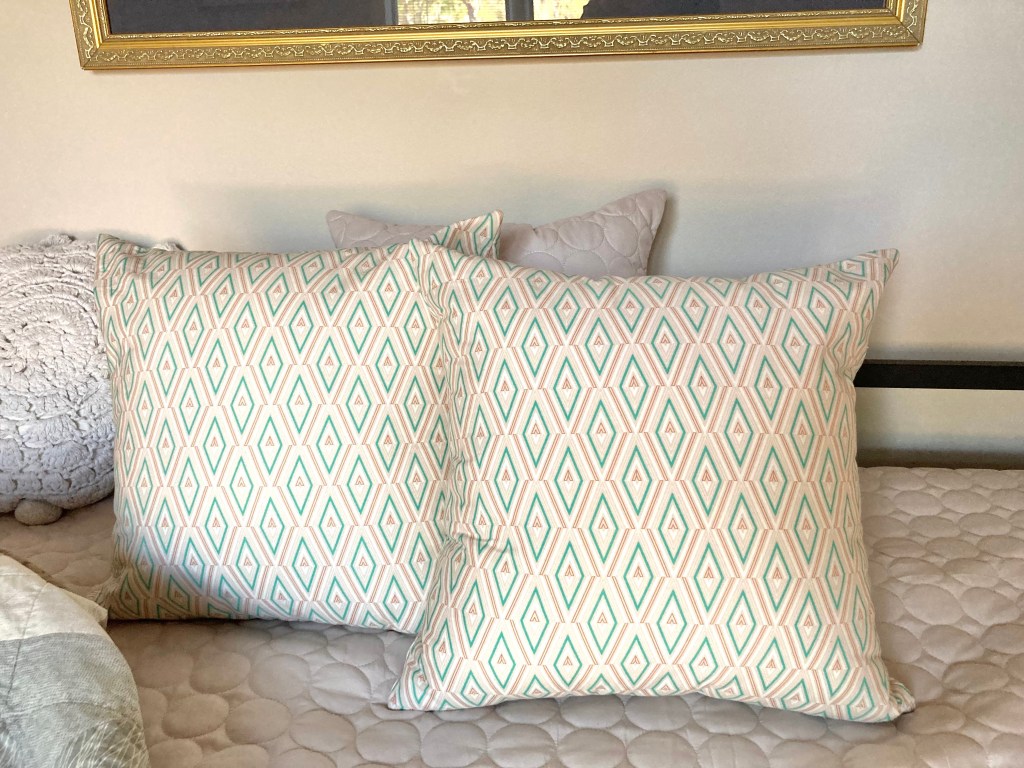
I also had some yardage so I made 16″ square pillows for my daybed.
The one in the middle back was made using the pillow sham that came with the comforter. I didn’t want to set out a bed-sized pillow so I put it to good use otherwise.
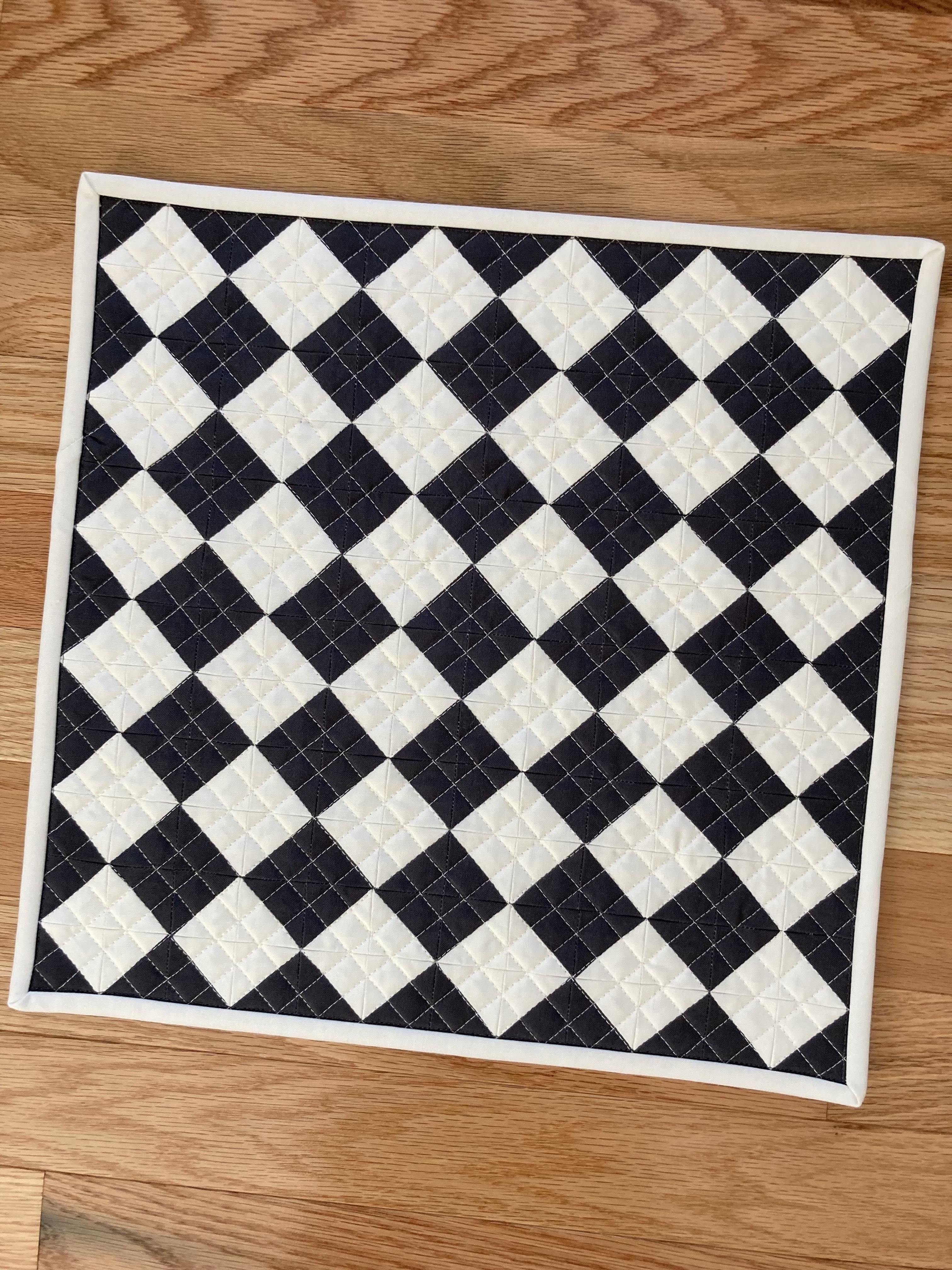
This little mini was made from cut-away squares from the ghost quilt. I didn’t want to throw them away, but the small size of the HST made for a sewing challenge!
I really enjoy making a colorful Stitches & Stars quilt, so I decided to make a baby version and have it for sale in my Etsy shop. It’s a fun fat eighth friendly pattern and it’s very versatile.
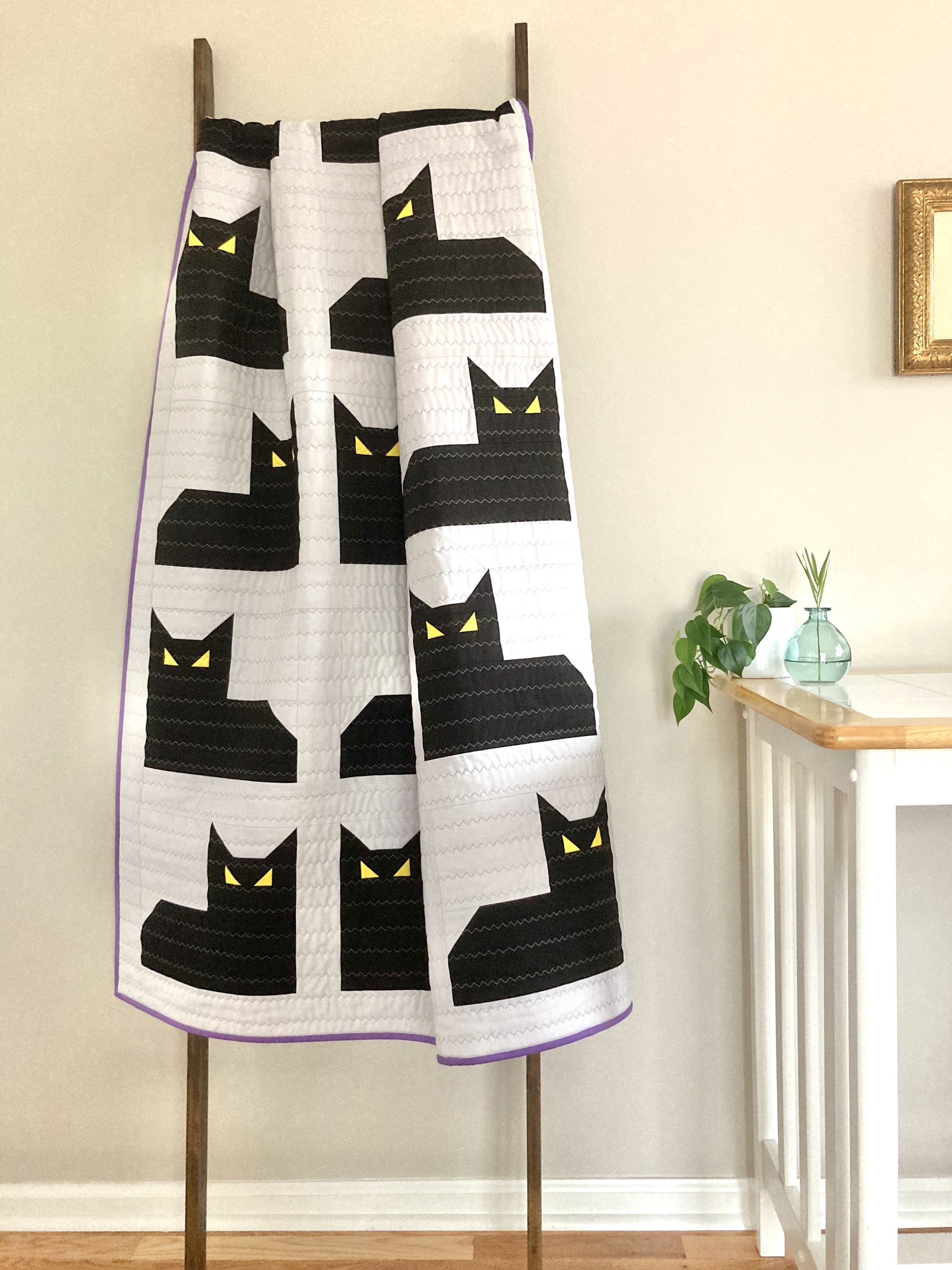
I released two kitten related projects last year, which is kind of funny because I don’t even own a cat! Because they’re such cute blocks to make I guess I couldn’t resist.
On the left is my Spooky Kittens throw quilt. It’s beginner-friendly and the pattern offers two options, yardage or fat quarters. It’s fast and fun!
On the right is my Cozy Kittens mini. It makes a nice wall hanging or table topper, and it’s designed for the confident quilter and above.
Because I wanted to give appliqué a try and couldn’t find a tree pattern, I designed (with some technical help) my Big Tree and Little Tree PDF outline patterns. Big Tree is great for a wall hanging, advent countdown or decorating in your own style. Little Tree is a fun, whimsical tree for appliquéing onto a pillow, clothing or whatever else suits you!
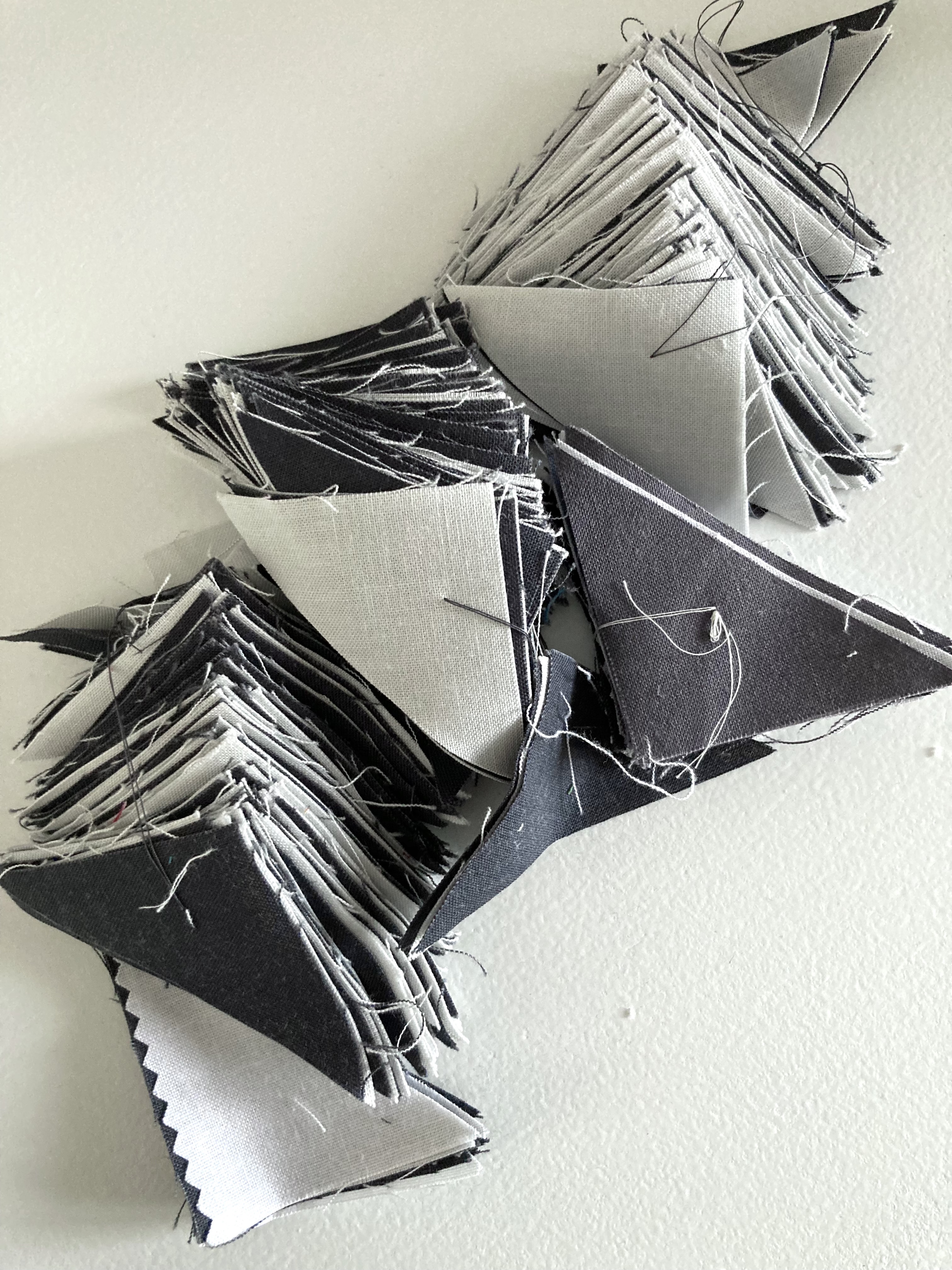
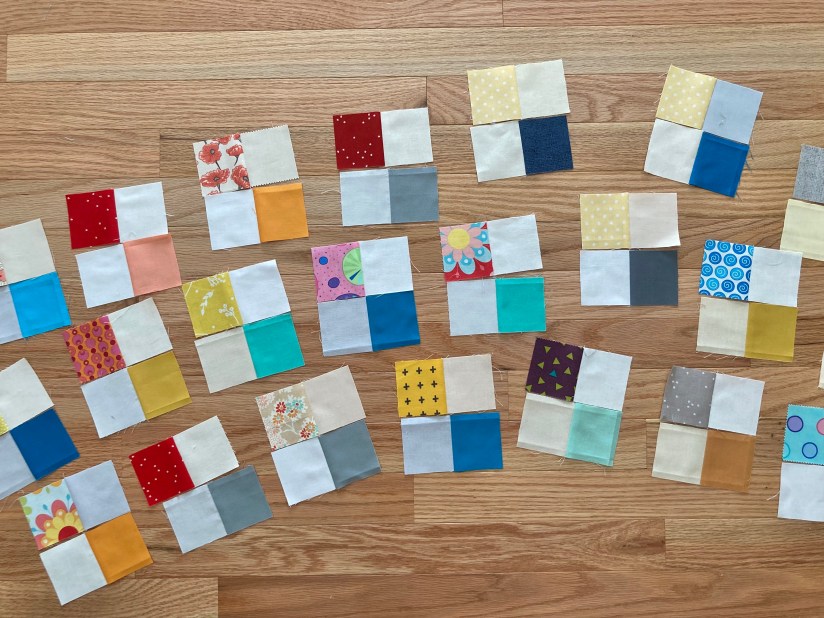
Much like my Pinwheels Galore quilt (seen below), I wanted a leisure project so I made a postage stamp like quilt. I’ll write a blog post about it once finished, but here’s a look at piecing four patches, getting the quilt underway.
This quilt was one that just came to me, so I decided to make it and release the pattern. It’s a nod to Wee Three Trees, it’s like Wee Tree Trees grows up. 😉
It’s called Winter Woodlands and is geared for a jelly roll and makes a quick finish. I made mine using Merry Little Christmas by Bonnie & Camille. You can see it’s only a quilt top…I’m waiting for a local quilt shop to open and will take it there for longarming if they offer it.
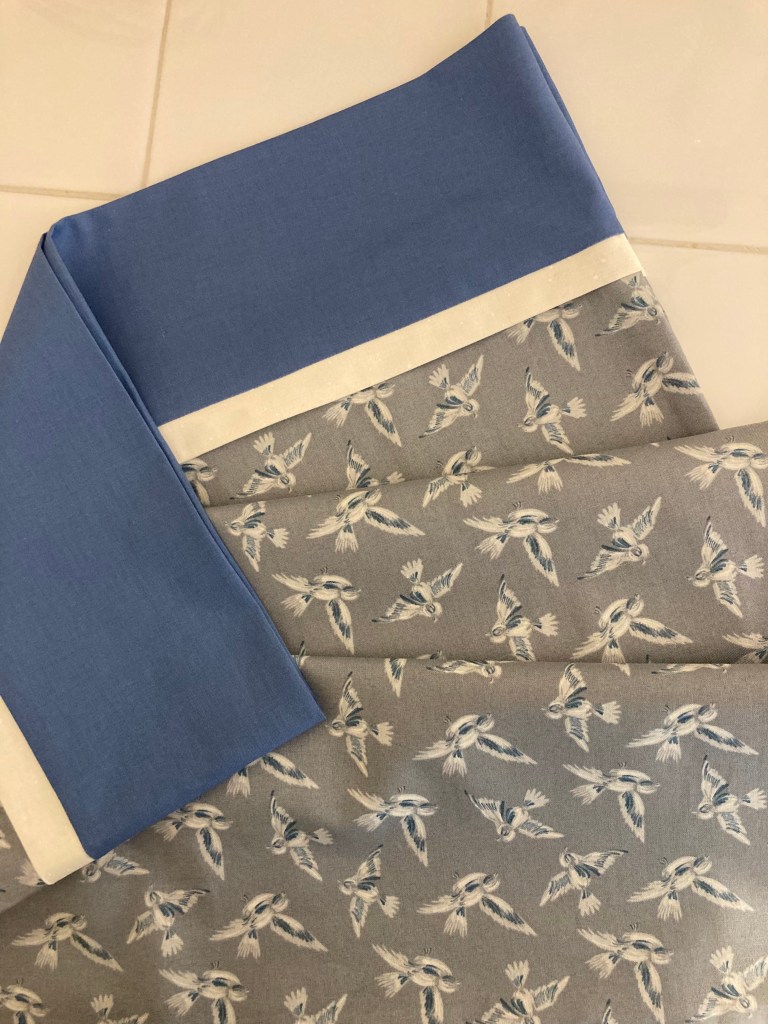
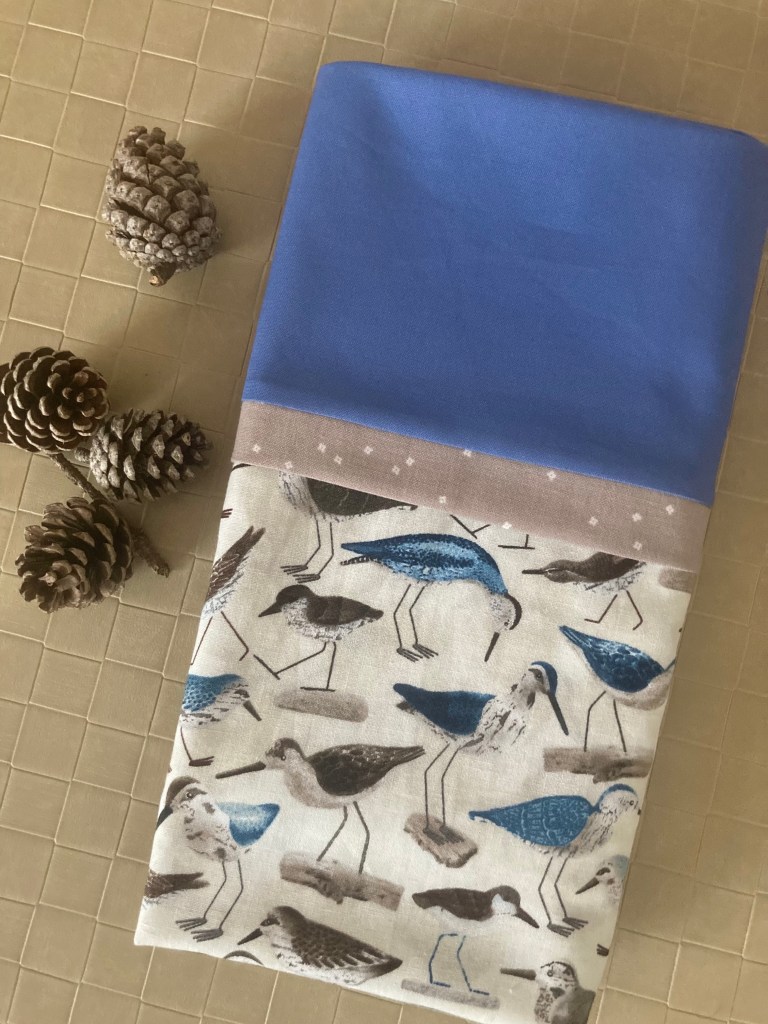
I always make a handmade pillowcase for my husband in bird fabric. Last year’s was no different!
Lastly, my Pinwheels Galore finish! I started this in 2022 as a quilt with no timeline. I finally got it pieced and ready for longarming in the spring of 2023. For no good reason, I didn’t send it out until late summer and finished it in late fall.
It’s queen size, and it makes the second one of that size I made for myself. I’d like to be able to switch quilts throughout the year so this will give me the option to do so.
That wraps up 2023!
To date, I have three patterns for release, two quilts and a holiday table runner (a first for me). I hope you’ll stop back and see what’s in store for 2024.
For several years, I’ve seen lovely appliqué projects but it wasn’t until recently that I decided to give one a try. Since the holiday season wasn’t too far off, I thought a small tree would be a cute idea for a decorative pillow.
Initially I set out for a pattern to download, but found nothing. I really wanted to give appliqué a whirl so I decided to make my own pattern (with recruited help from my daughter’s artistic hand.) 🙂
Before long, we came up with the Little Tree pattern. Shortly thereafter, for larger projects, the Big Tree pattern was created.
After researching how to appliqué and acquiring the necessary materials, I set to work. Once finished, I thought it didn’t turn out too bad for a first try!
Next up was to make something using the Big Tree template. Since it measures over 17″ high, I made two as a wall hangings (one for me, one for a gift).
To make them, I used the same plaid fabric, adhered a low-loft fusible fleece, added backing, quilted 1″ rows then ran a zigzag stitch around the edge.
Not only are they festive, they’re easy and fast! Think of all the things you could add to decorate them…buttons, bows, photos, ornaments—just about anything lightweight.
Another idea is to make a Big Tree project for advent or a Christmas countdown. I added cutout numbers to my finished plaid tree. Because the tree is generously sized, there’s plenty of room for attaching pockets for small advent gifts.
I’m convinced these versatile tree templates would make a great addition to your list of holiday project must-makes. 😉
You can purchase both templates together in one download from my Etsy shop.
Why not get your favorite holiday fabric ready and start a project today—I’d love to see what you create.
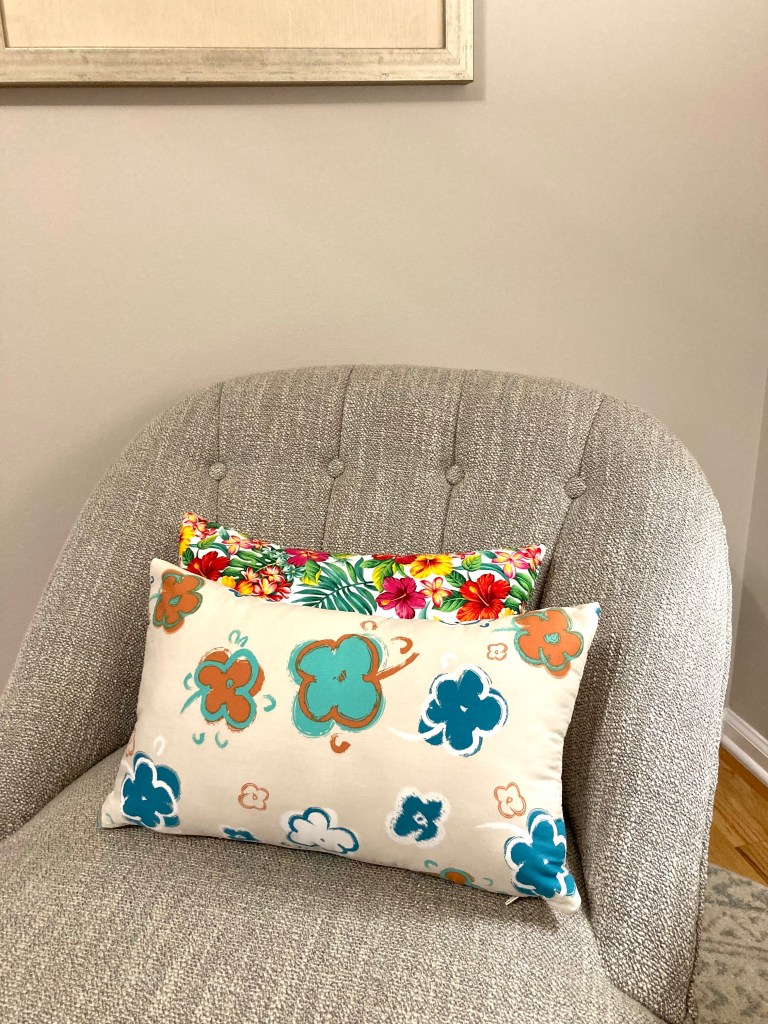
Recently I purchased a small chair and side table for a reading nook in my dining room (that I don’t want to use as a dining room). To add color to the corner, and because every chair needs a pillow, I decided to make my own. As a side note: purchased lumbar pillows cost a ridiculous minimum of around $45 and were too big.
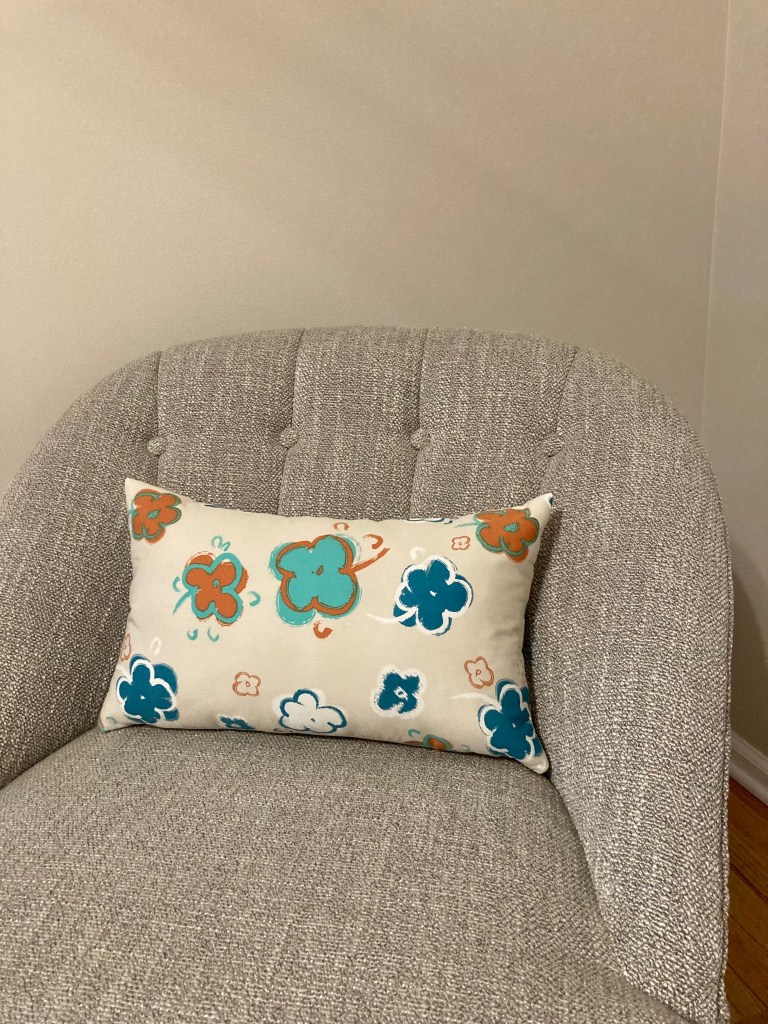
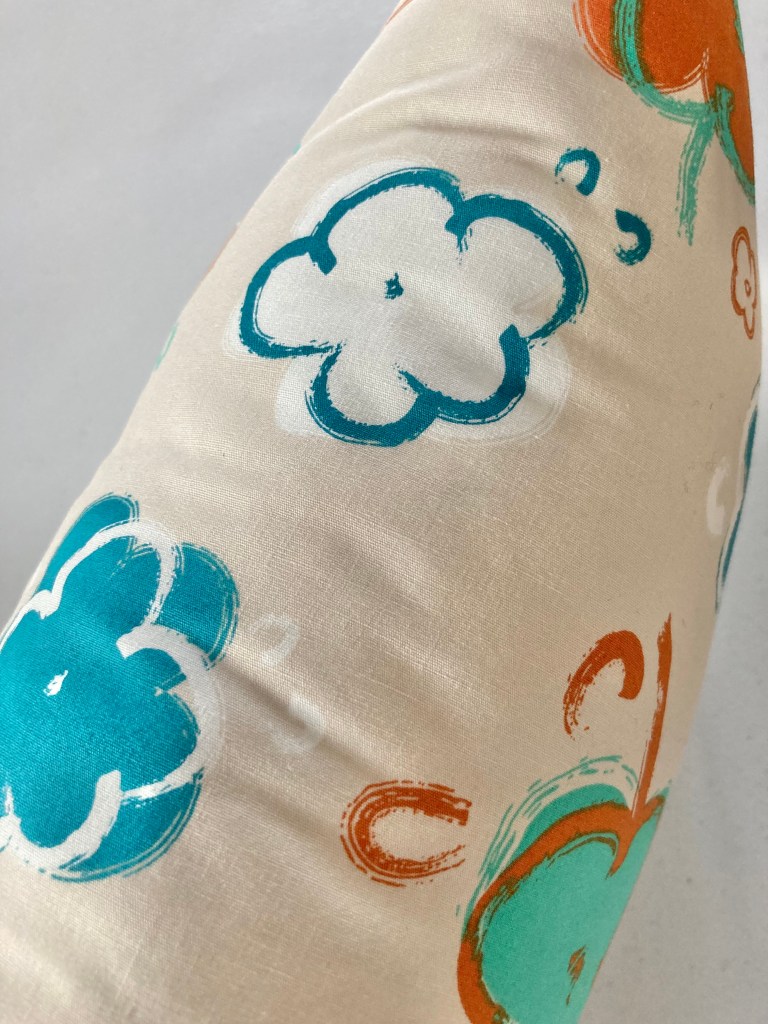
Because my chair is on the small side, the pillow could be made from a fat quarter. Lucky! Right away I knew exactly what FQ I’d use—a whimsical flower print from the Etno collection by Pat Bravo for Art Gallery Fabrics. It’s an older line that I love and was glad to finally use.
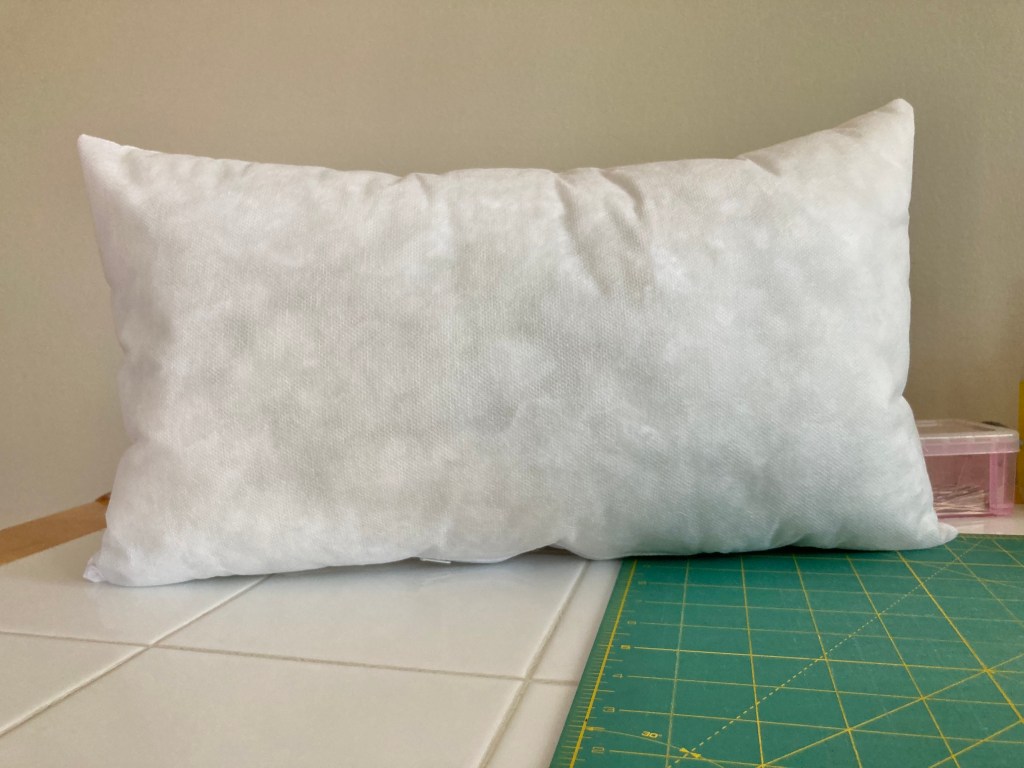
Also, I happened to have 2 new pillow forms on hand. They were 18” x 18” so I removed all the stuffing and resized them to 11” x 18”, then restuffed them.
I revisited my Zippered Quilt Pillow Block Cover Tutorial for a refresher on the zipper sewing technique and other necessary steps, and in no time I had a cute little pillow! It really dresses up the space and gives it a personal touch.
Another nice feature about this pillow size is no seam; the FQ sewed into a tube, giving the pillow a clean finish on top.
Not only is it a custom-made pillow, the total cost to make it is approximately $14 and about 1 hour and ½ of my time. A lot better than $45 AND made exactly how I wanted. 🙂
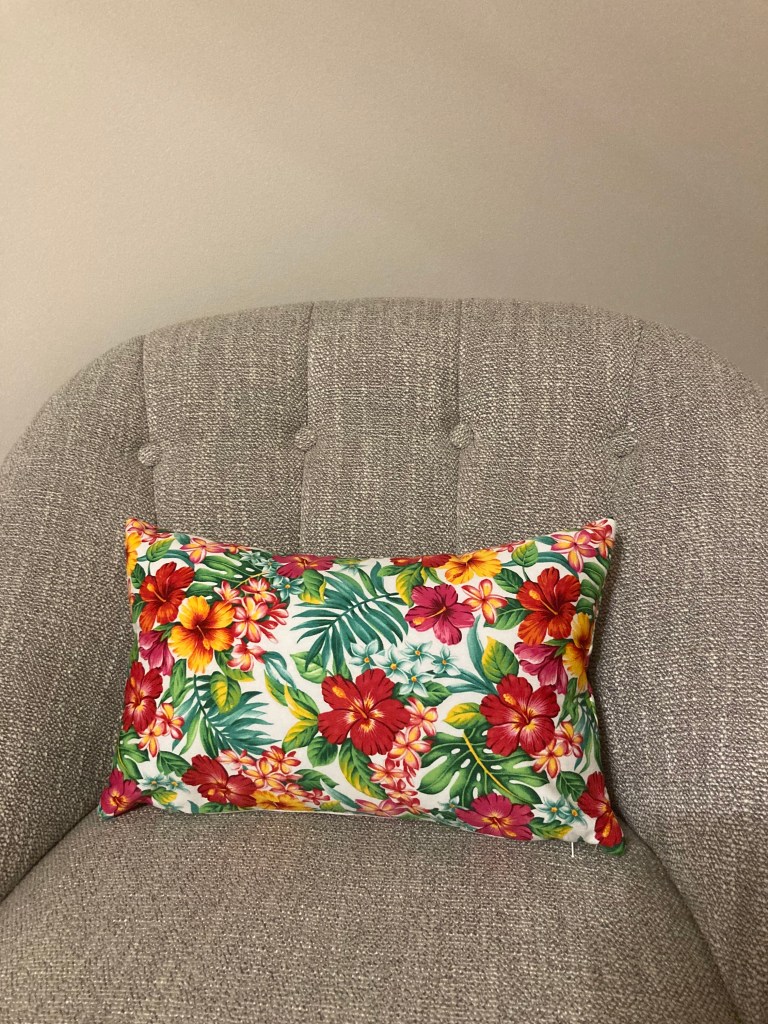
Since I liked that pillow so much and it was fun to make, I made another. I used the other pillow form and repeated the same steps. For this one I used a Hawaiian themed FQ my son gave me from his trip to Maui. It’s so bright and fun! I love it.
I’m really happy with these results, and I can change the pillows out when I want a new look. I’m now thinking about making some seasonal ones, too.
Looking for a quick and easy-to-make gift with the holidays fast approaching? I’ve got a few suggestions that just might help.
If you have someone on your list that seems to have everything, a personalized handmade gift can be the one thing they’re missing. If you’re like me, you enjoy giving people something handcrafted verses something store bought.
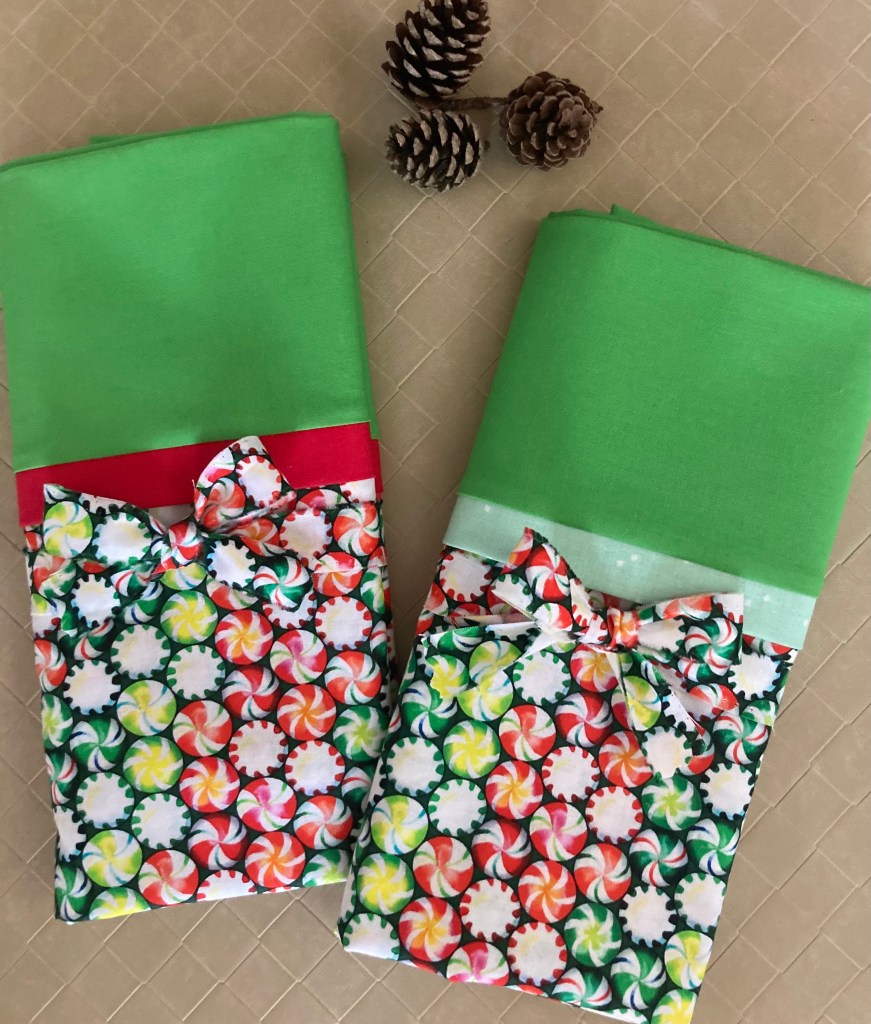
Since everyone in my family has at least two quilts from me, I occasionally move from the realm of quilting for gifts. One great idea is pillowcases. These can be really fun because you can make them personal by choosing fabric that reflects the recipient’s hobbies, interests or simply something they’d enjoy. My husband is a huge bird watcher so I made him a bird print pillowcase.
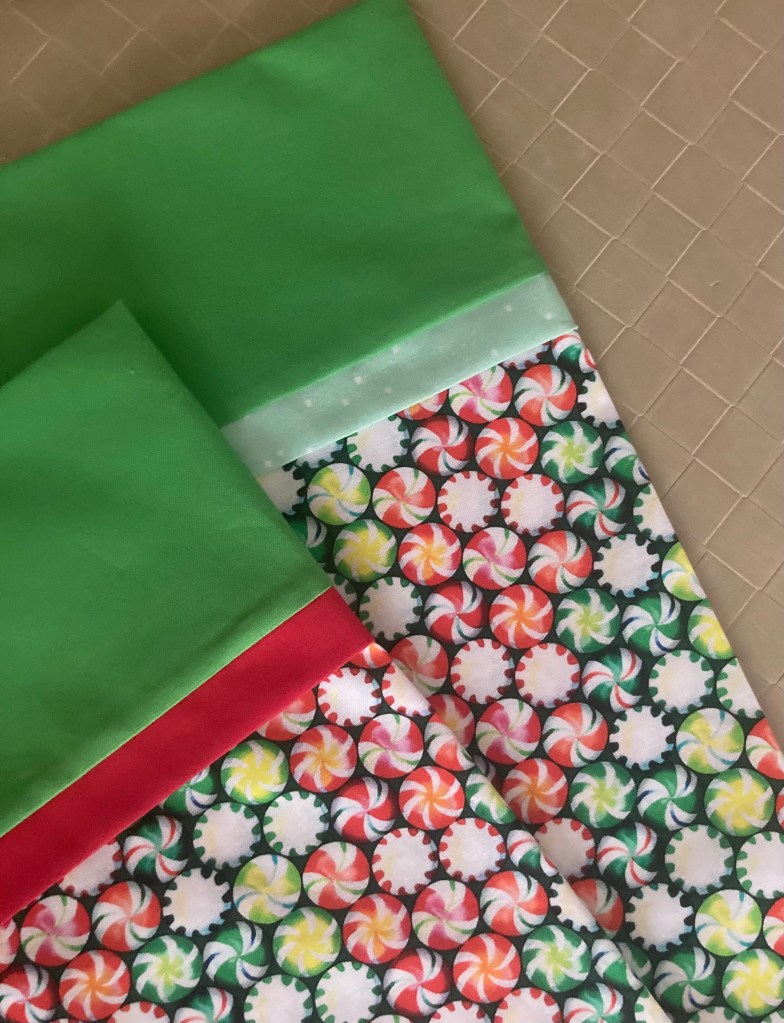
Since I’m all out of ideas for my son, I decided on pillowcases for him and his girlfriend. I chose a bright and whimsical fabric that’ll be perfect throughout the holiday season.
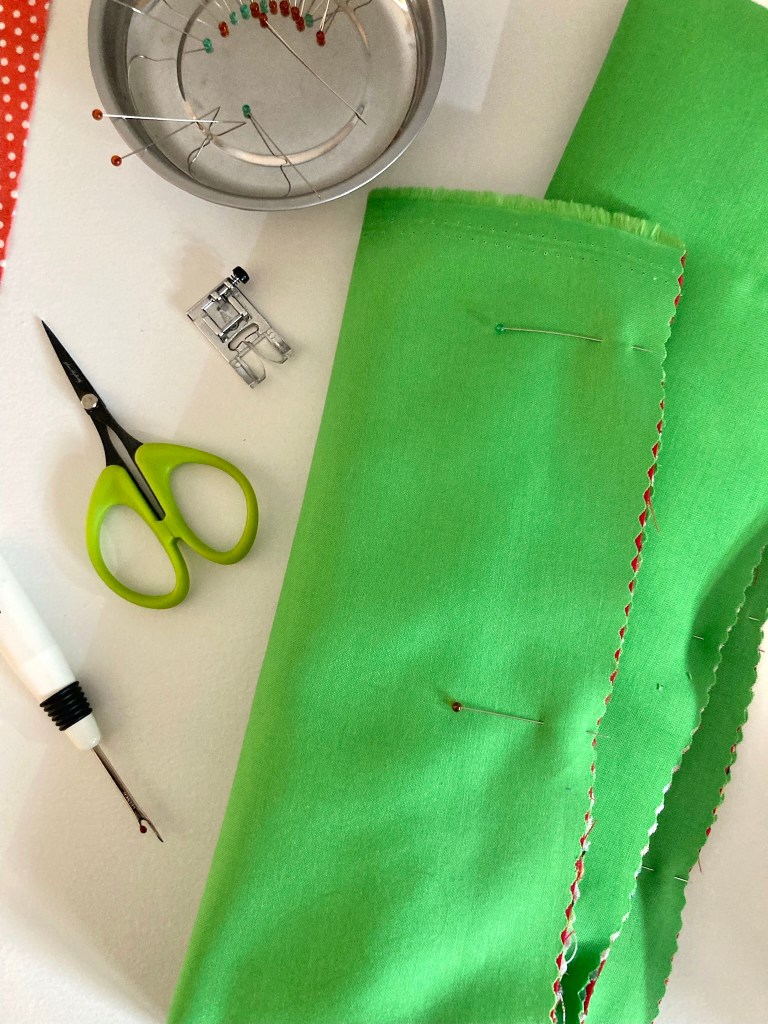
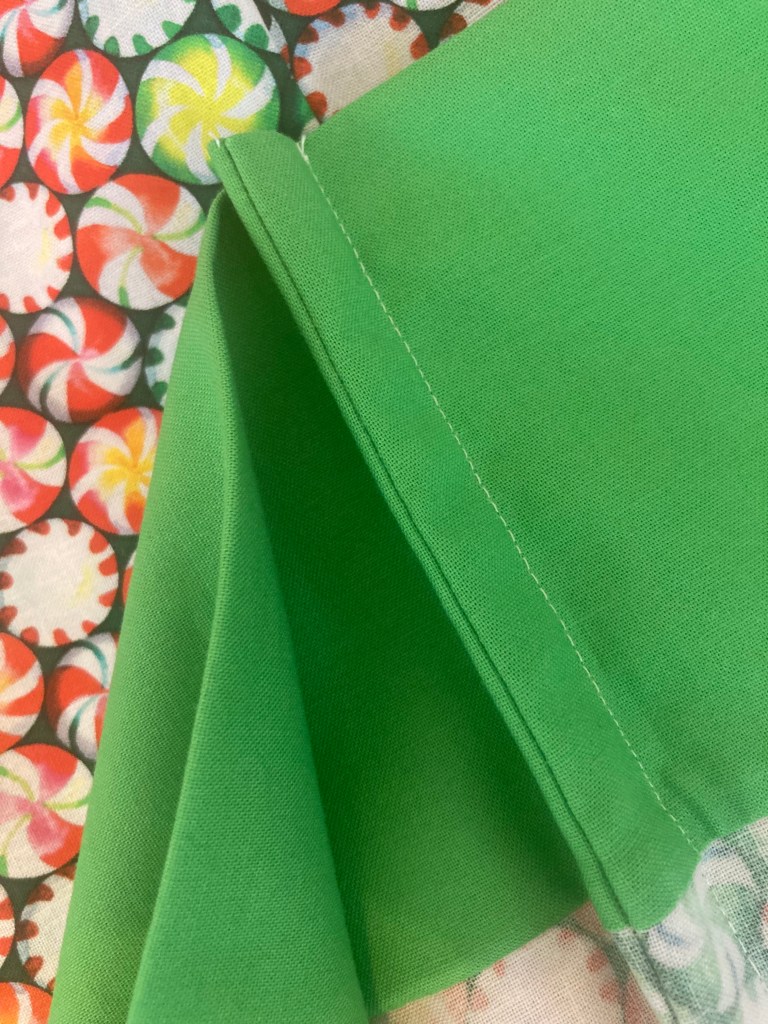
You’ve gotta love those French seams! If you’re not familiar with them, this is a great introduction.
When trimming the pillowcase fabric, use the cutaway selvage for tying it up before gifting. It makes a nice presentation if you use a pinking rotary cutter or pinking shears.
Here’s a future money saving tip—shop for fabric after the holidays. You can get last year’s prints for a lot less than new ones.
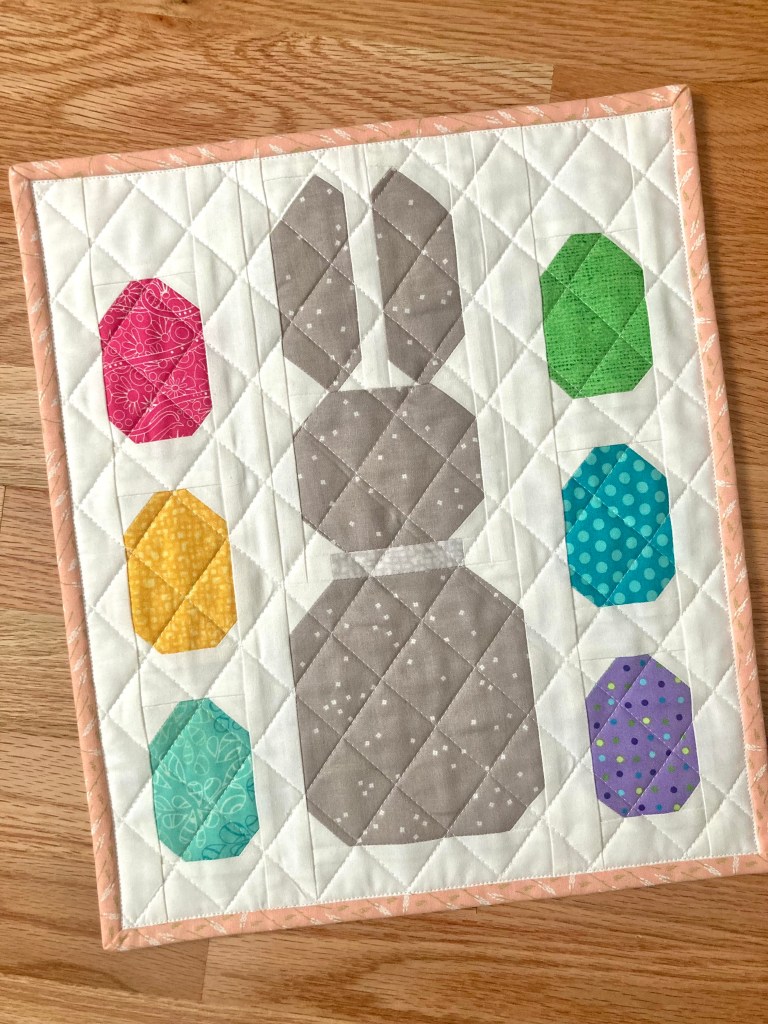
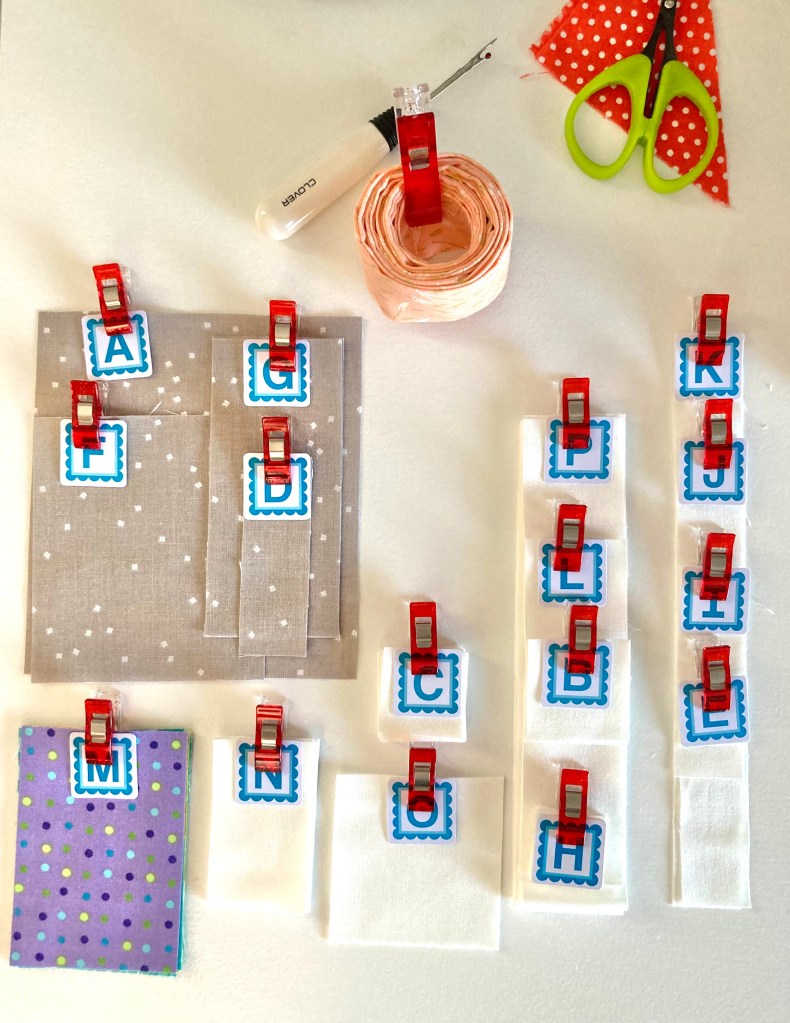
My daughter requested an Easter Bunny mini quilt from a free Bernina tutorial. It’s so cute and easy.
I think it took me more time to cut the fabric than to make it. 😉
So now I’m set and am already planning for next year…
I also have other small gift ideas under my TUTORIALS tab. Check it out and see if there’s anything you’d like to try!
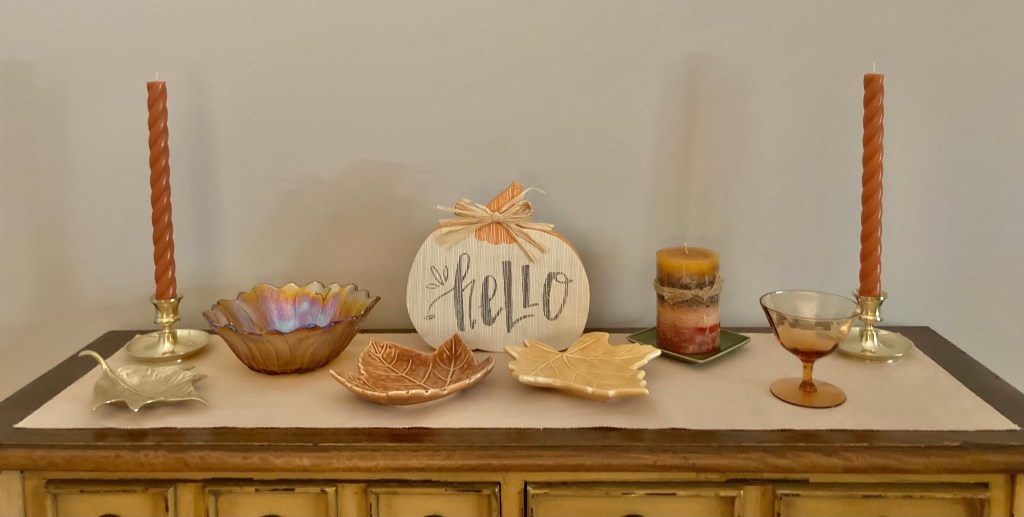
With the fall season approaching, I’d decided to create an autumnal tablescape for my sofa table. Since June I’d been thrifting, something I’d never done much of before, looking for pretty and elegant items to coordinate with things I already had.
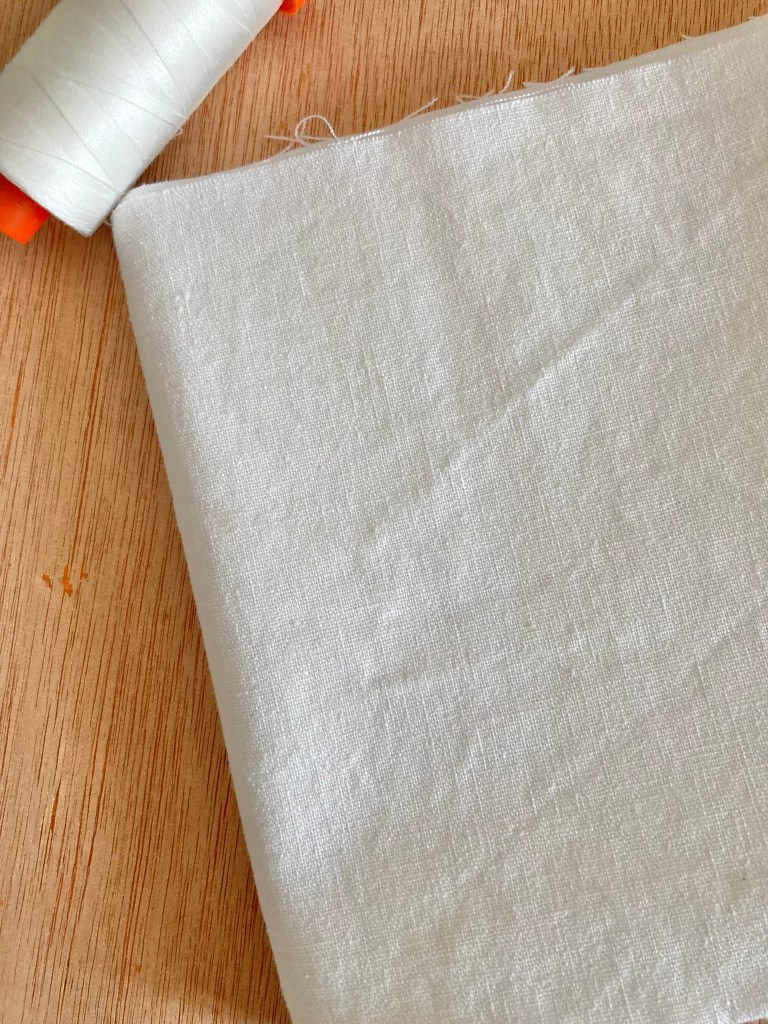
What I didn’t have was a table runner. My first thought was ‘What could I make using what I have?’, then remembering I’d stashed a narrow piece of white Essex Linen leftover from making napkins. Perfect!
While the piece was WOF, it wasn’t long enough to drape over the table ends, so I trimmed the fabric to 9 1/2″ wide by 34 1/2″ long giving nice coverage for my table that measures 11 1/2″by 38 1/2″.
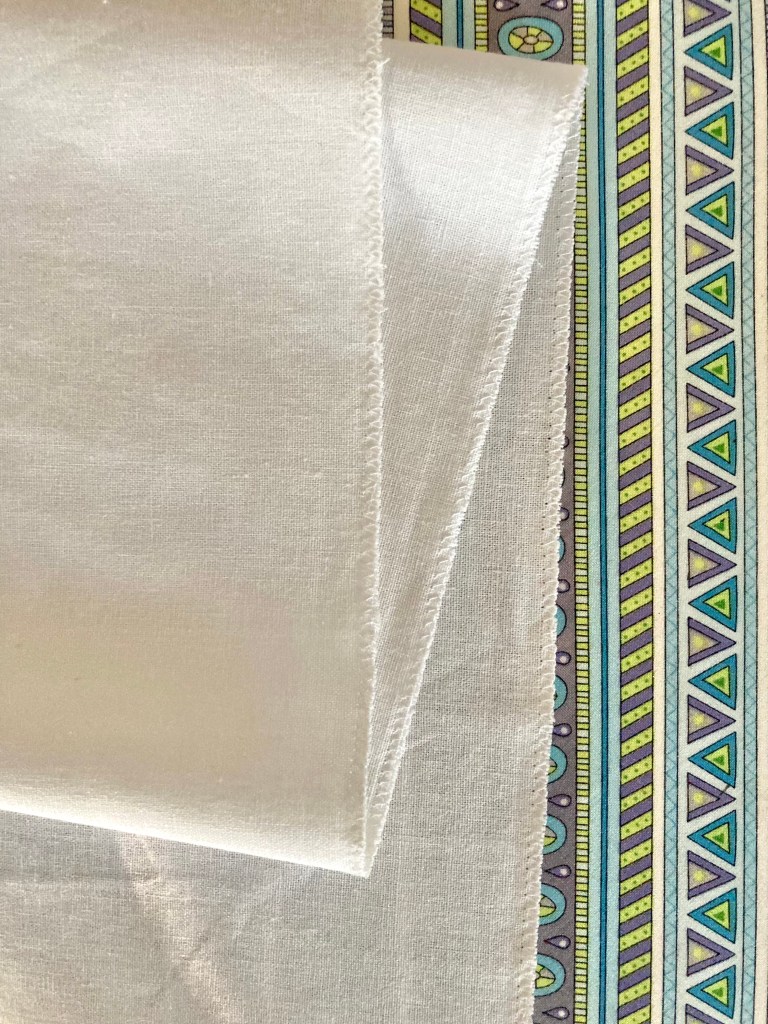
I planned to hem and top-stitch, but after pinning one side it was apparent that it’d be too bulky so I left the edges flat and ran a zigzag stitch all the way around, giving it a bit of a rustic look.
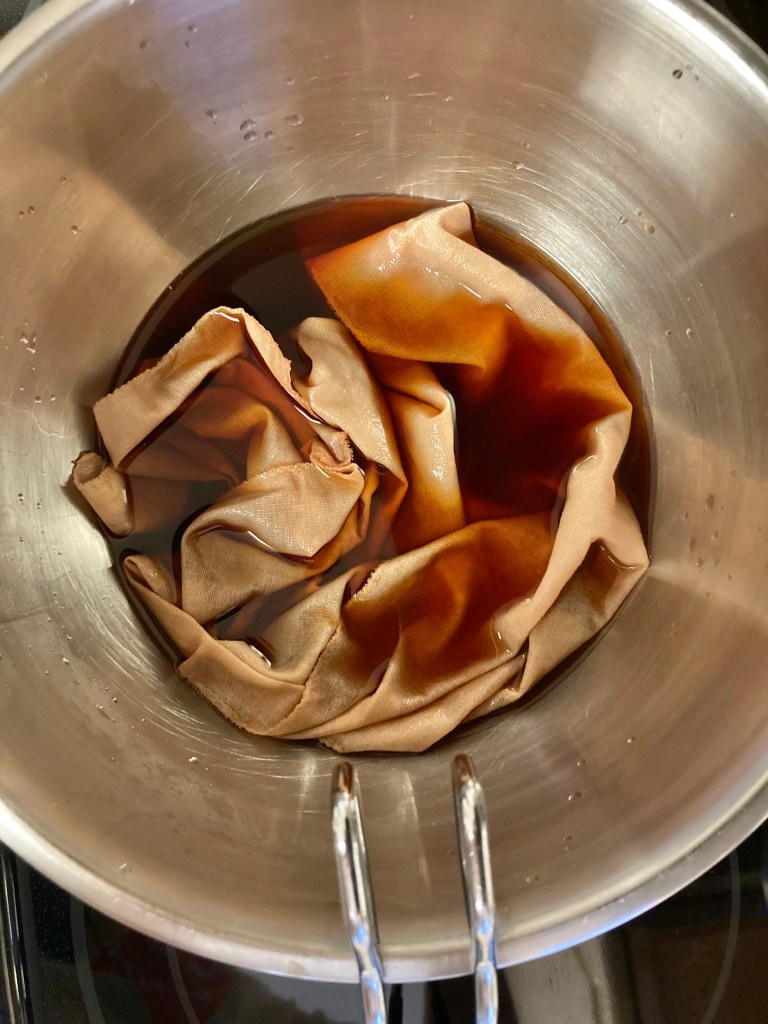
Since the linen was white and not fall-like, I decided to tea dye it. This wasn’t something I’d ever tried before but it was so easy and rather fun! I quickly found a YouTube video with all the info I needed.
Because the runner is a bigger piece of fabric, I doubled the recipe for dyeing: 5-6 tea bags to 2 cups of boiling water (this doubled, using black tea). If you’ve never tea dyed before, just boil the water, add the tea and let it set for 15 min. Remove the tea bags and place your item in the bowl, making sure it’s covered. Allow it set for at least 15 minutes, or until the desired color is achieved. I soaked mine for 2 hours, occasionally turning the fabric. NOTE: Tea dyeing works with natural fibers only.
Once it’s the color you want, remove and rinse with cold water. I gently rolled mine in a towel to remove the excess water. After unrolling and smoothing it flat, I placed it in the sun until dry.
On the first day of autumn I set up everything and am really pleased. 🙂 It’s a lovely display for fall and will do nicely through Thanksgiving.
This is a great way to give your space some seasonal vibes, and if you’re a thrifter, it’s fun to go on the hunt for just the right things.
Last holiday season I was invited to a Thanksgiving and Christmas dinner party where I wanted to bring a bottle of wine for the host and hostesses for each occasion. While it’s perfectly fine to bring wine itself, I wanted to dress it up a bit so I decided to make fabric bottle bags.
After finding several how-tos, I made the first one using a combination of what I’d found; taking notes and photos along the way so I could create an easy, downloadable PDF to share.
For my first project, I chose fall-like colored fabric and a shimmery orange ribbon and the duo made a lovely bottle bag, perfect for Thanksgiving!
For the second project, I used holiday inspired fabric and natural twill tape for a rustic look and together they were just right for a Christmas party.
These festive bags are not only for wine bottles, they’re also great for sparkling grape juice. And best of all, this project is SO EASY—it only takes about 25 minutes, from pressing the fabric to tying the bow! Choose one fat quarter, add some ribbon and a bit of time and you’ve got a classy gift to give. 🙂
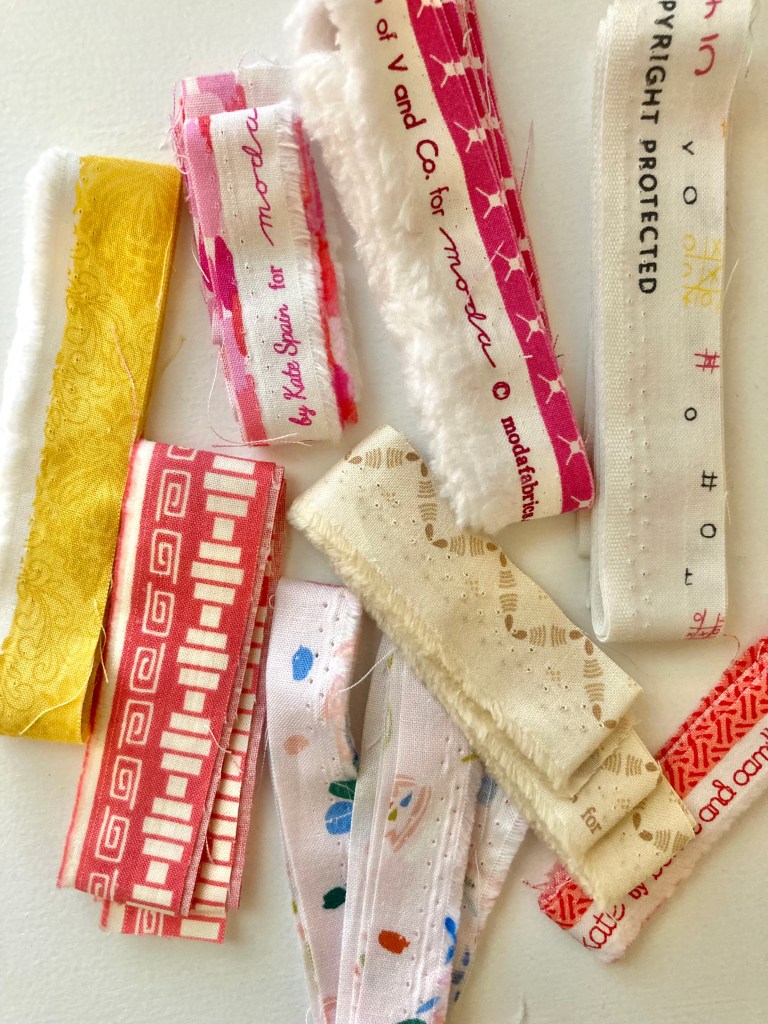
Ever since I started quilting I’ve been saving selvages. Even though I have plenty, I can’t seem to stop saving ones that have fun sayings and cute drawings printed on them.
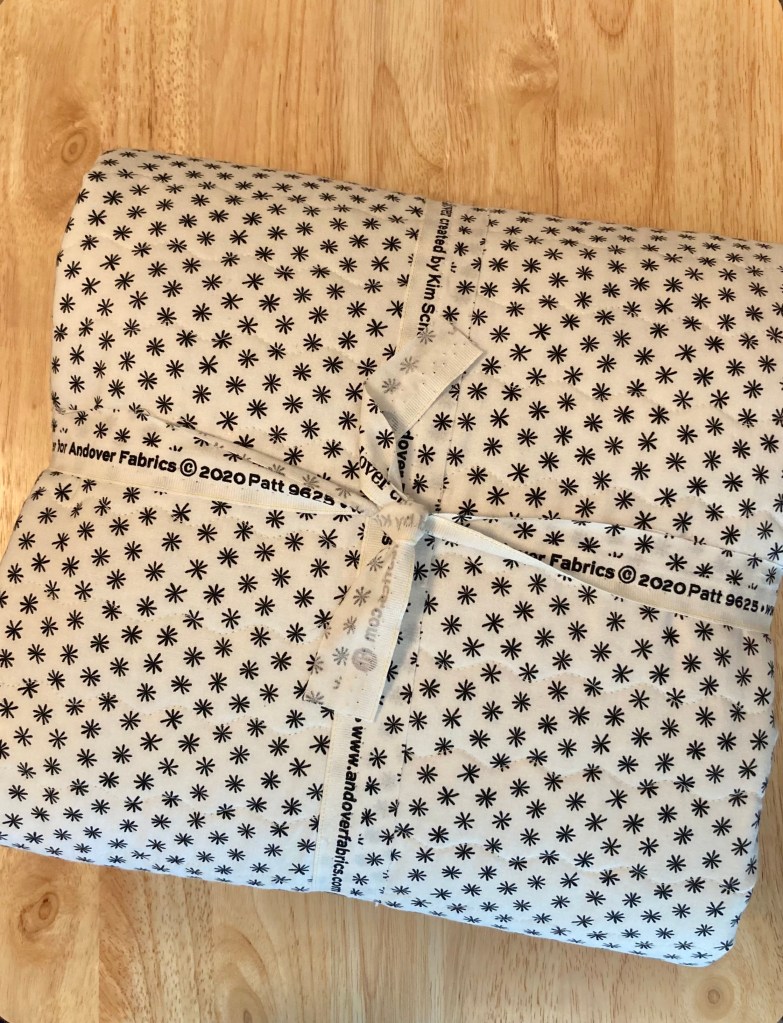
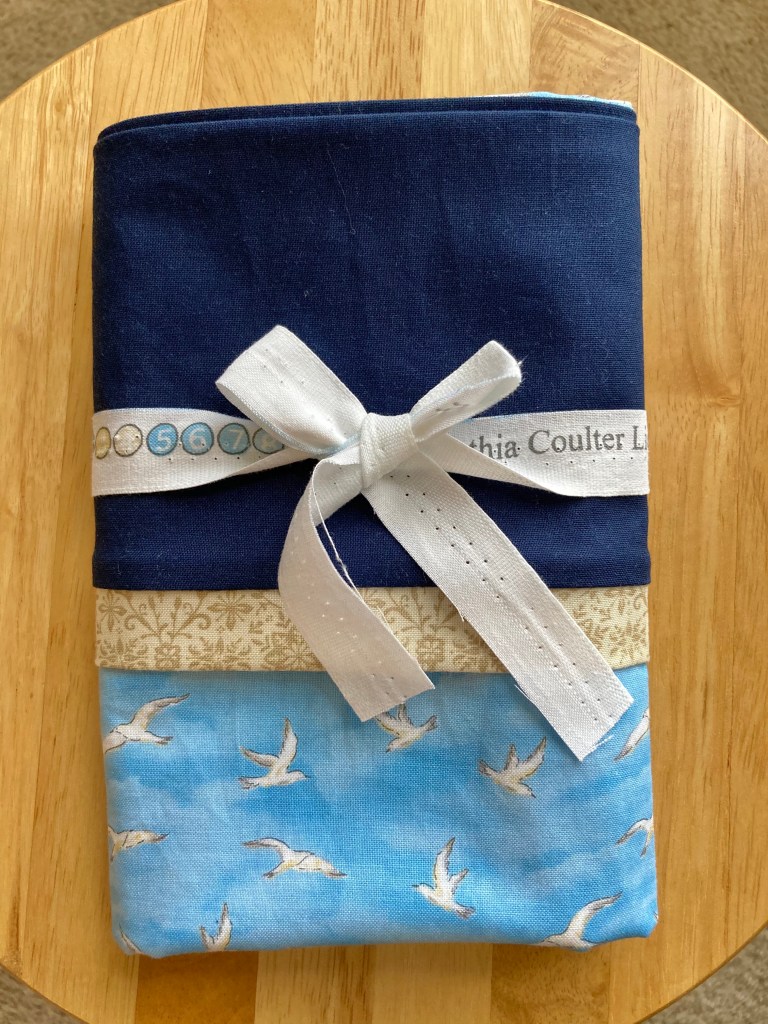
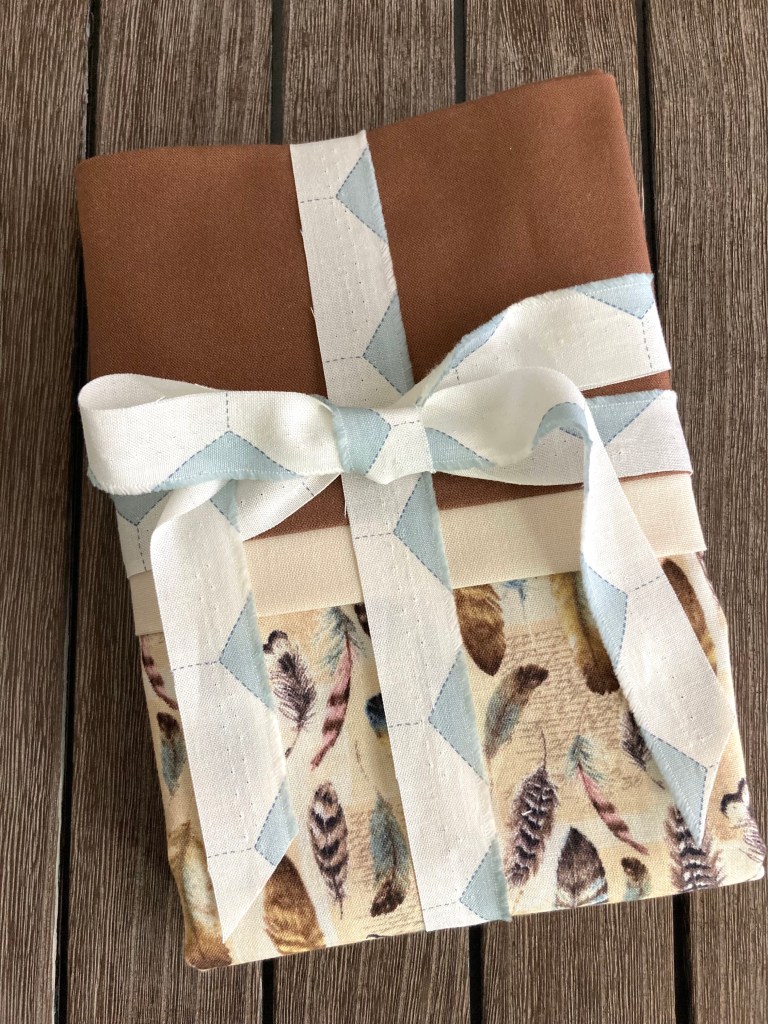
Since I like to keep things to a minimum, I’ve found a great way to use some of those selvages—wrap them on gifts instead of ribbon—and this is the perfect time of year to do so.
Each Christmas I like to give my family members something handmade, and because everyone has received at least two quilts from me, I’ve had to think of other things to make. For the last few every years I’ve gifted my husband a bird-themed pillow case wrapped with colorful selvage.
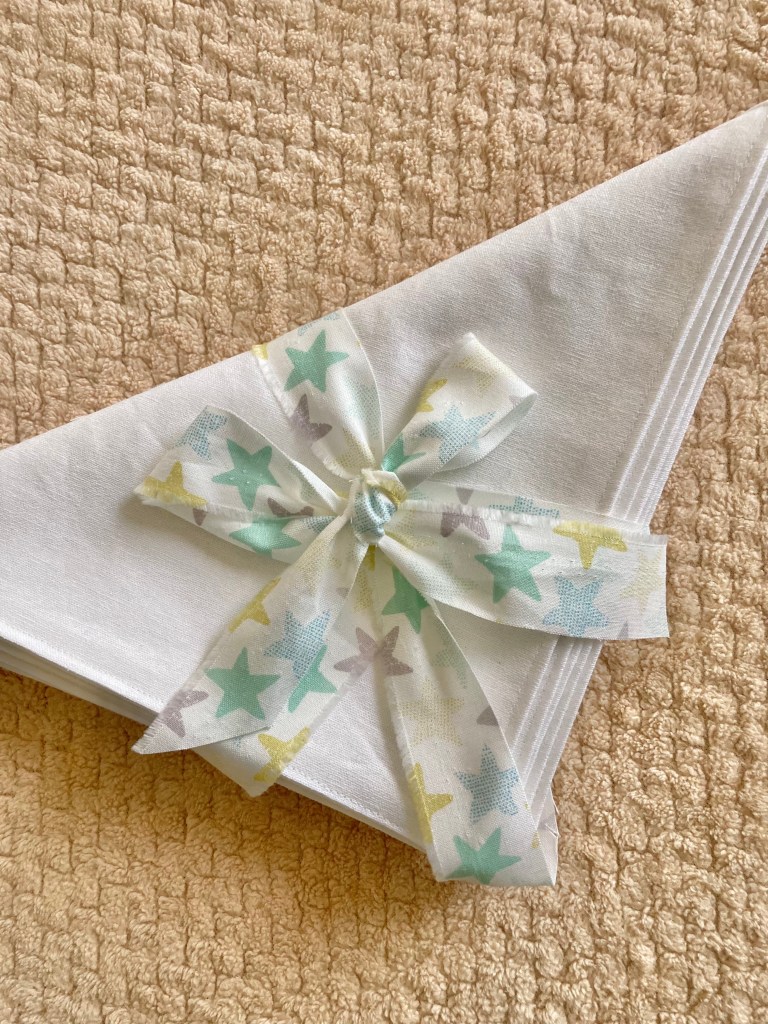
Other gifts I’ve dressed up by using selvage is table napkins made for my kids. When I completed this set I wrapped it with selvage and tied a pretty bow. I think it classes up the bundle and makes a nice presentation.
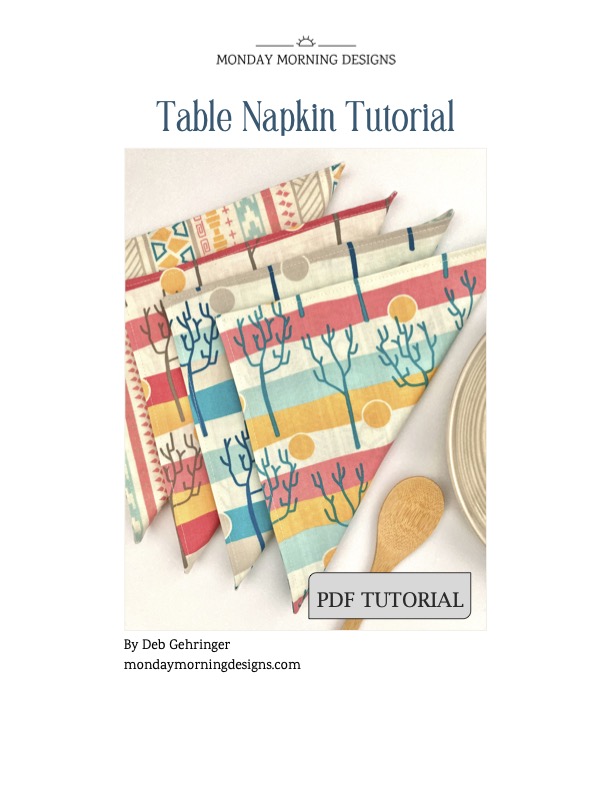
(If you’d like to make table napkins for yourself or as gifts, I have a PDF Table Napkin Tutorial available).
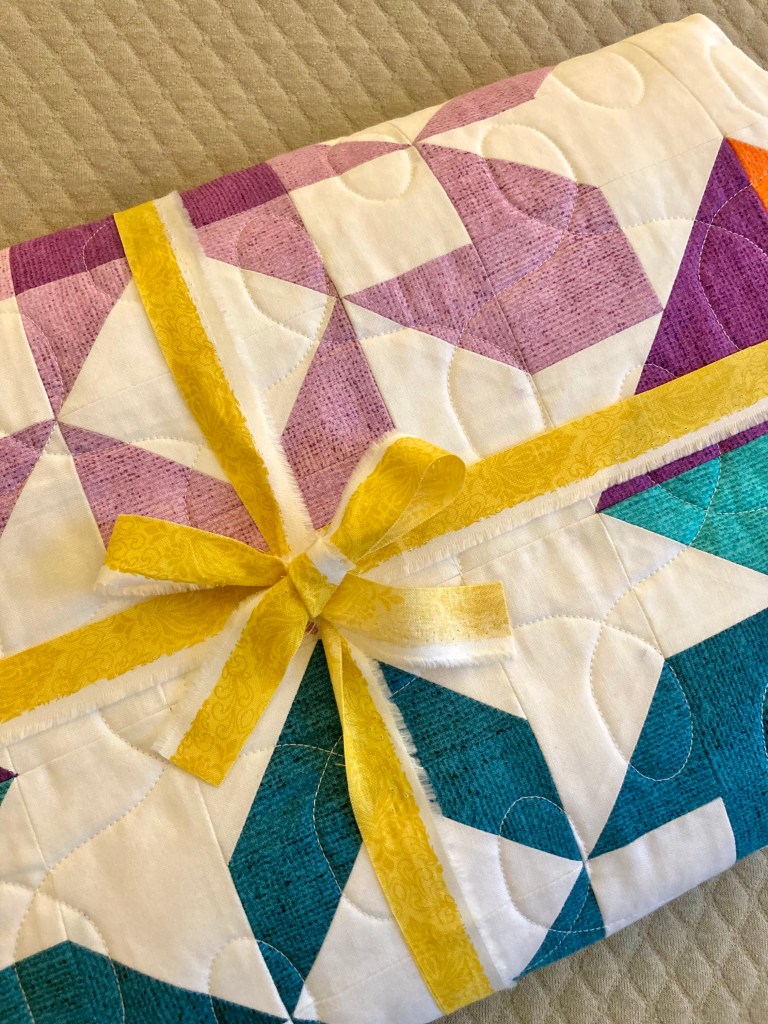
Of course another good way to use selvage is wrapping and gifting a quilt. When I gift a quilt I always find a selvage that compliments the fabrics. By doing this there’s nothing to buy and I’m ready to gift or ship without doing any shopping. Nothing like saving time and money!
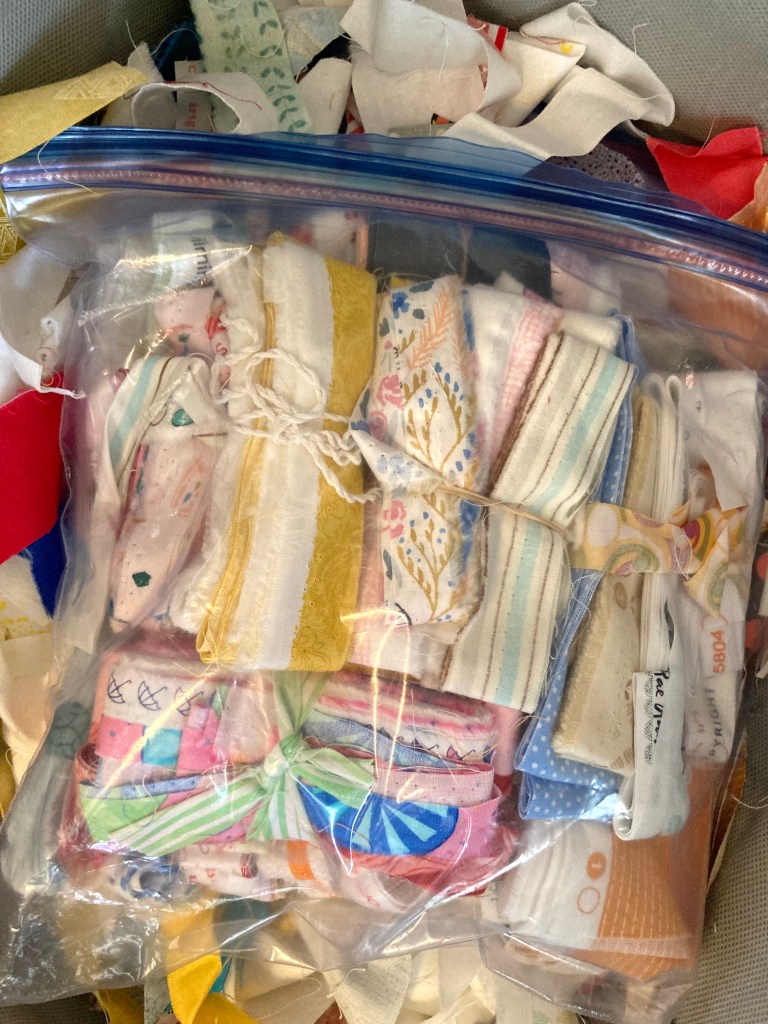
Another bonus to saving and using selvages is that they’re really easy to store. I just bundle a few together, place them in a large zip-lock bag and keep it in my scrap bin. It doesn’t matter that they’re creased and wrinkled, just press and trim when needed.
Not only does this put pretty selvages to good use (that may otherwise be tossed out), it’s convenient and environmentally friendly! 🙂