quilt blocks, quilting, Quilting 101, tutorials, Uncategorized

How to Sew Accurate Flying Geese

There’s no doubt flying geese are essential to quilting and they’re fun to experiment with. They give quilts an interesting perspective and can be addicting to make once you get started.
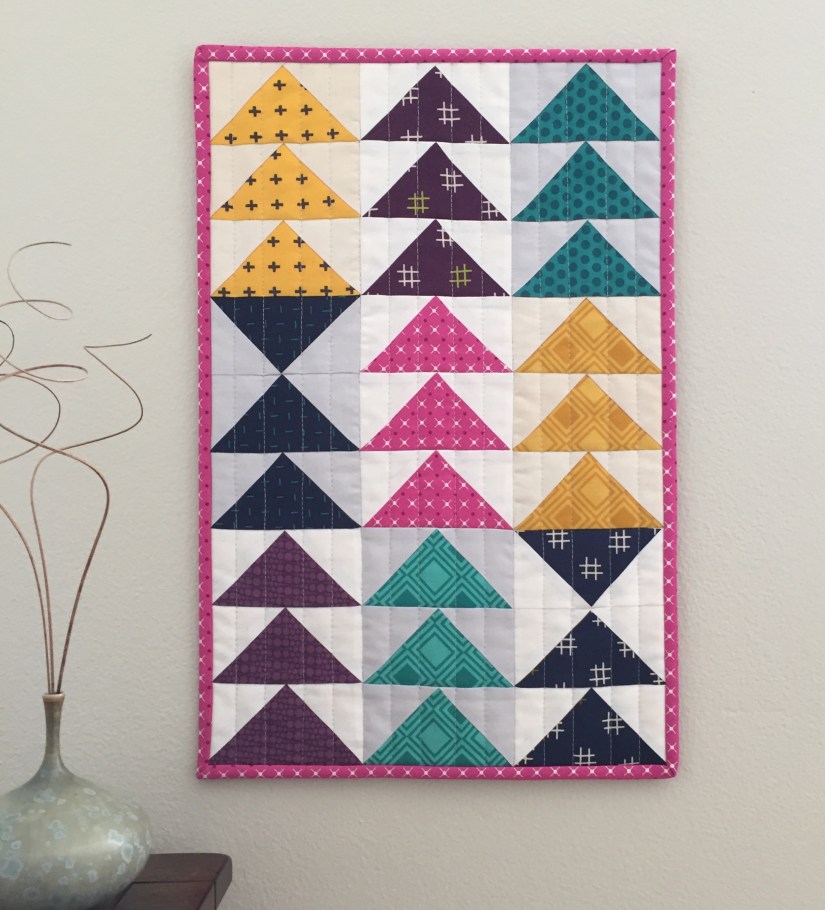
If you’re new to quilting or having trouble with your flying geese blocks, here’s an easy tutorial on how to sew an accurate flying geese unit that won’t need squaring up.

To get started, cut fabric to the required sizes. You’ll need a rectangular piece for the background and two squares for the sides. The flying geese I made in this tutorial are based on the measurements below.
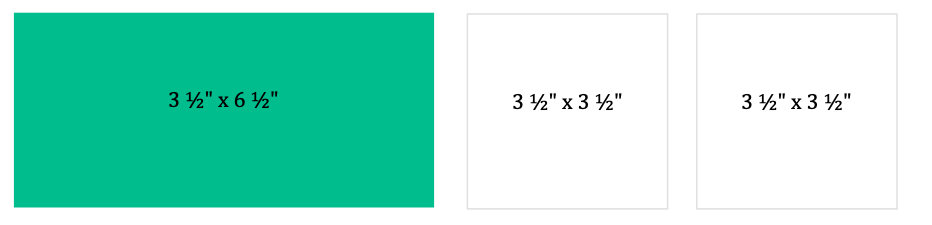
Once your fabric is cut, draw a diagonal line on the wrong side of both side squares. Place a marked square on the right hand side of the rectangle, as illustrated, lining up the outside edges. Pin together.

NOTE: You can choose to sew the first square on either the left or right hand side, there will be no difference in the outcome.

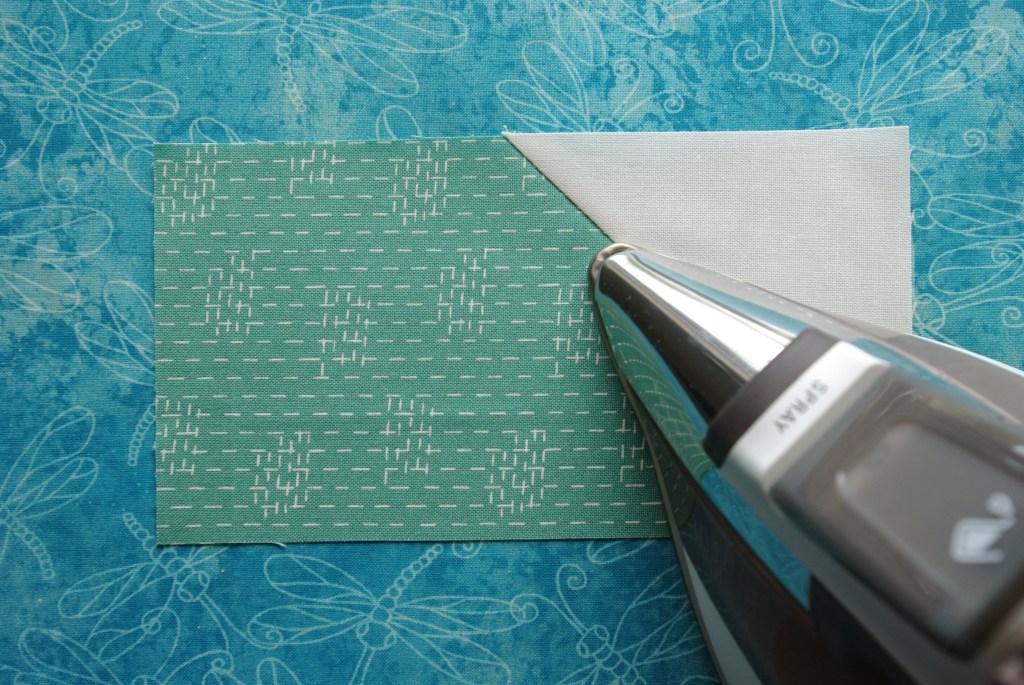
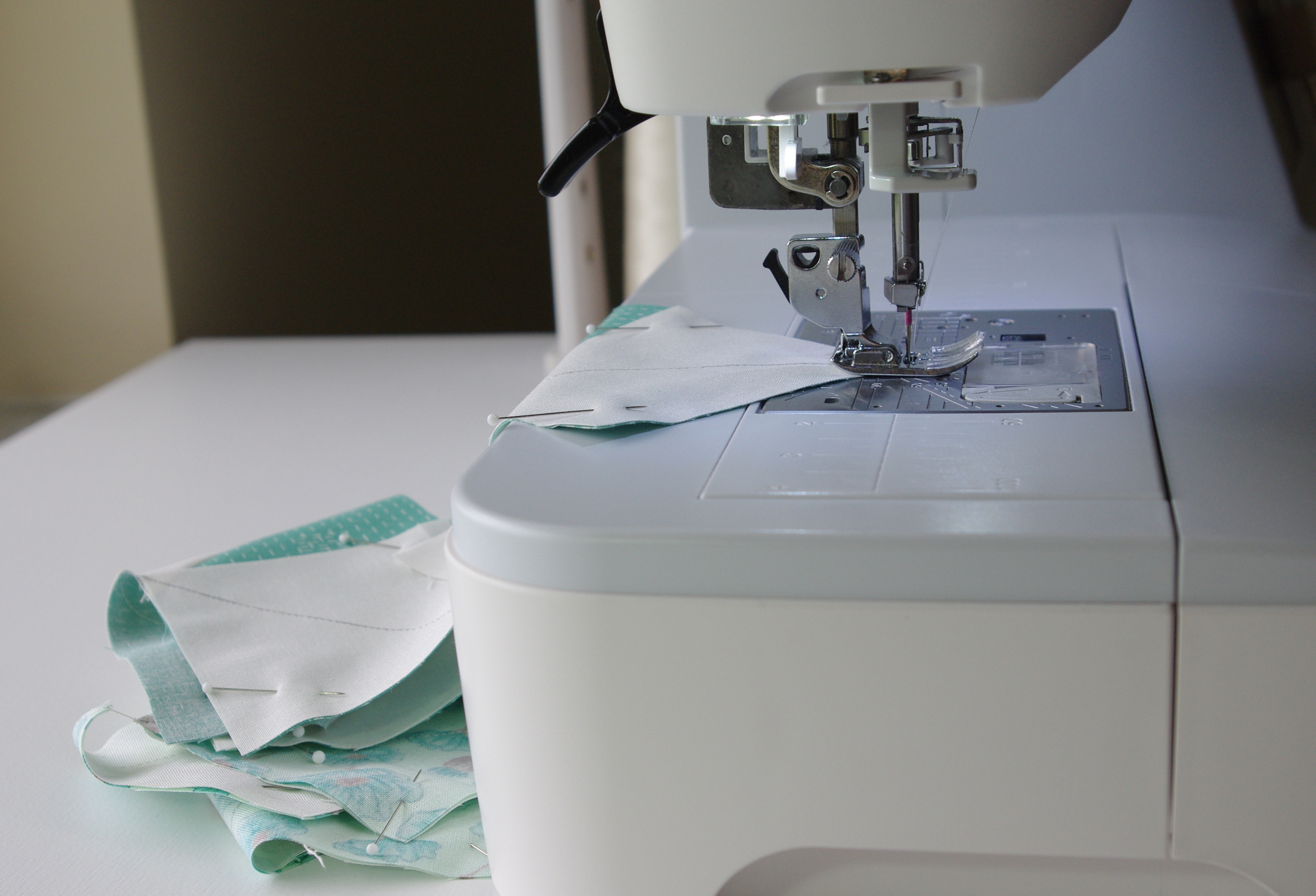
The next step is sewing the pinned pieces together. But before sewing, be sure to follow this important tip…instead of sewing directly on the drawn line, sew just along side of it.

And here’s why. By having sewn along side of the drawn line, it frees up about a thread’s width of space so when you press the fabric to the corner, the new piece will line up accurately. That small width might seem minor, but it can make all the difference in your finished unit.

Here’s how to set your foot and needle before sewing…
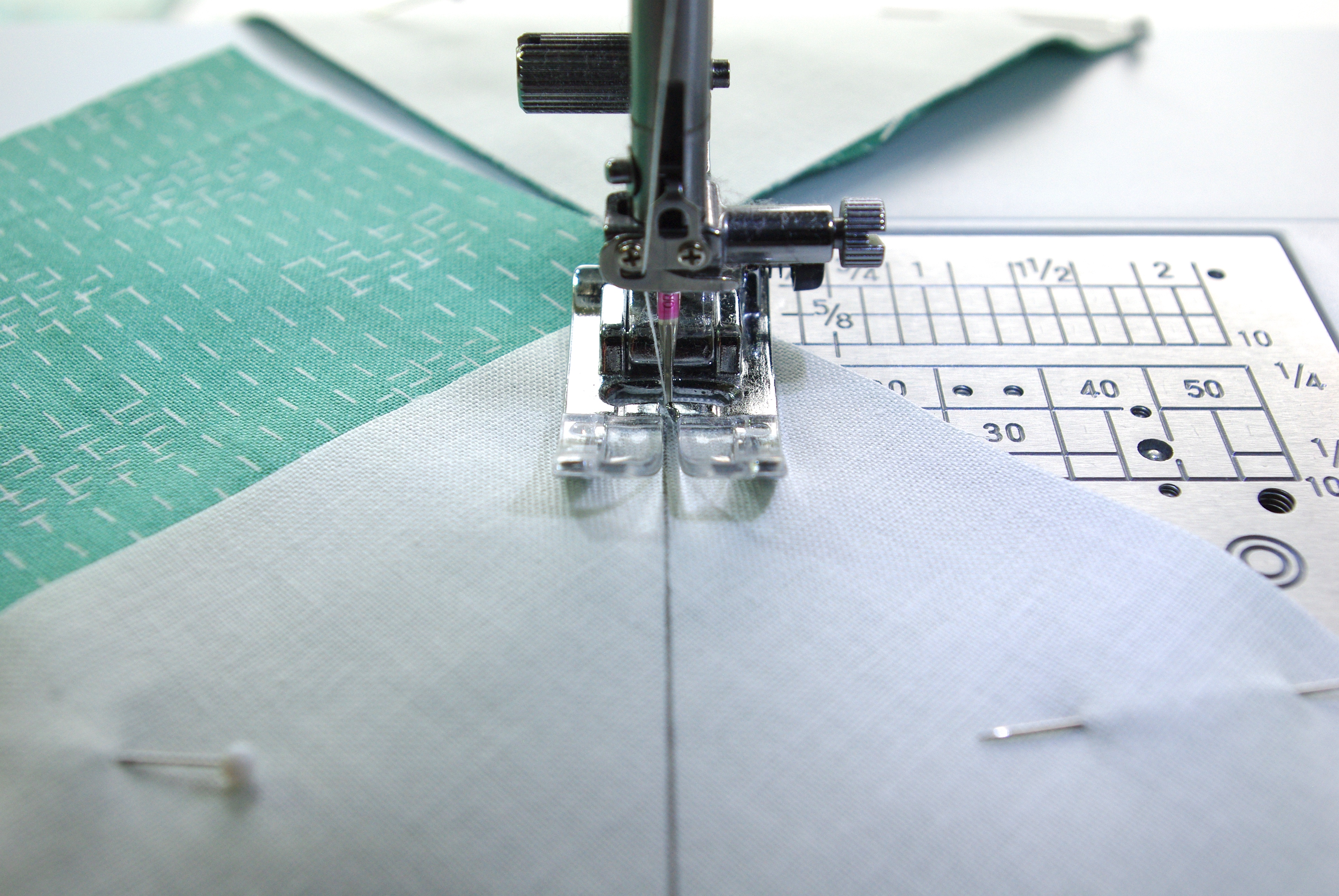
And this is what it looks like sewn just to the right of the line…
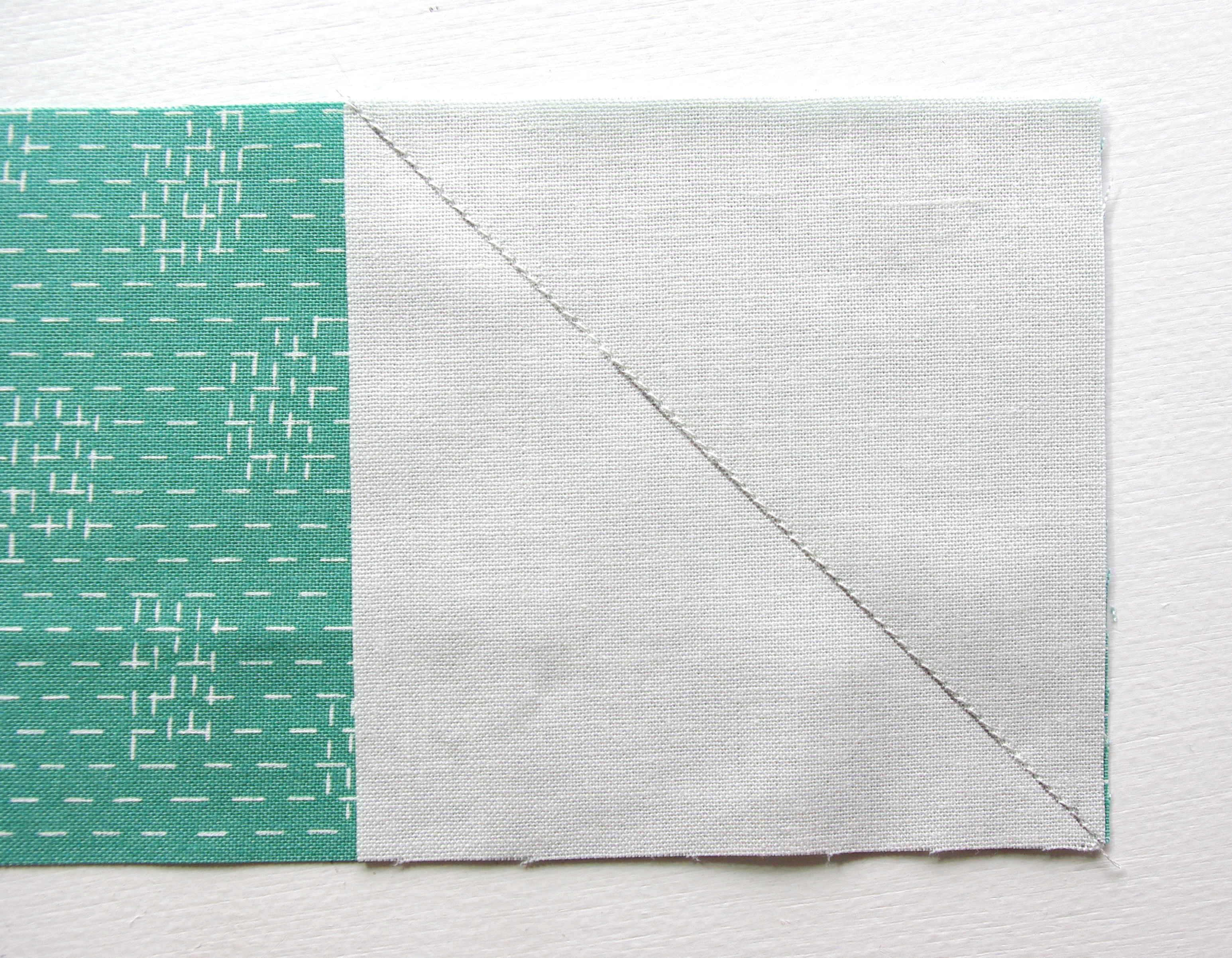
A rule of thumb to follow is to sew to the right of the drawn line for the right hand side of the flying geese unit and sew to the left of the line on the left hand side of the unit.

Once you’ve finished sewing, cut ¼” away from the sewn line. Press the square to the corner.
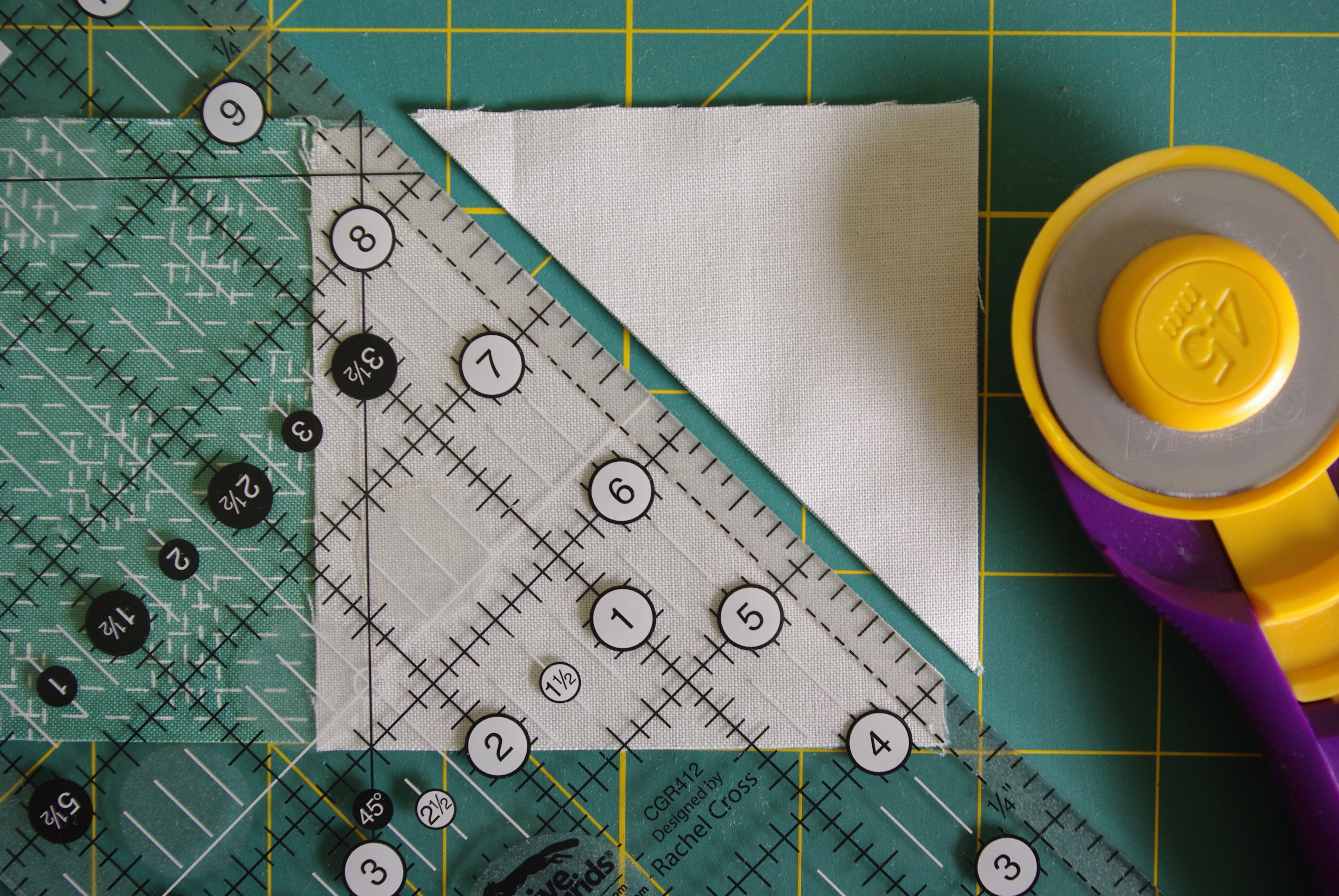
Your results will be a nicely aligned corner. 🙂

To finish your flying geese, repeat the same steps for the opposite side. Place the fabric with the drawn line as shown. Pin.
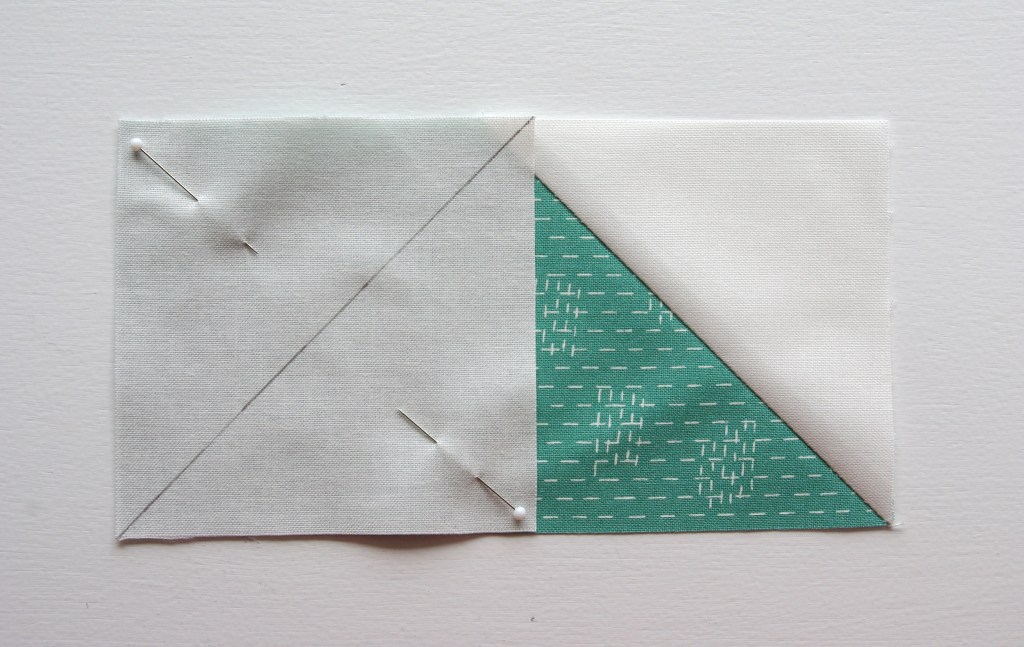
Sew just along side of the line.
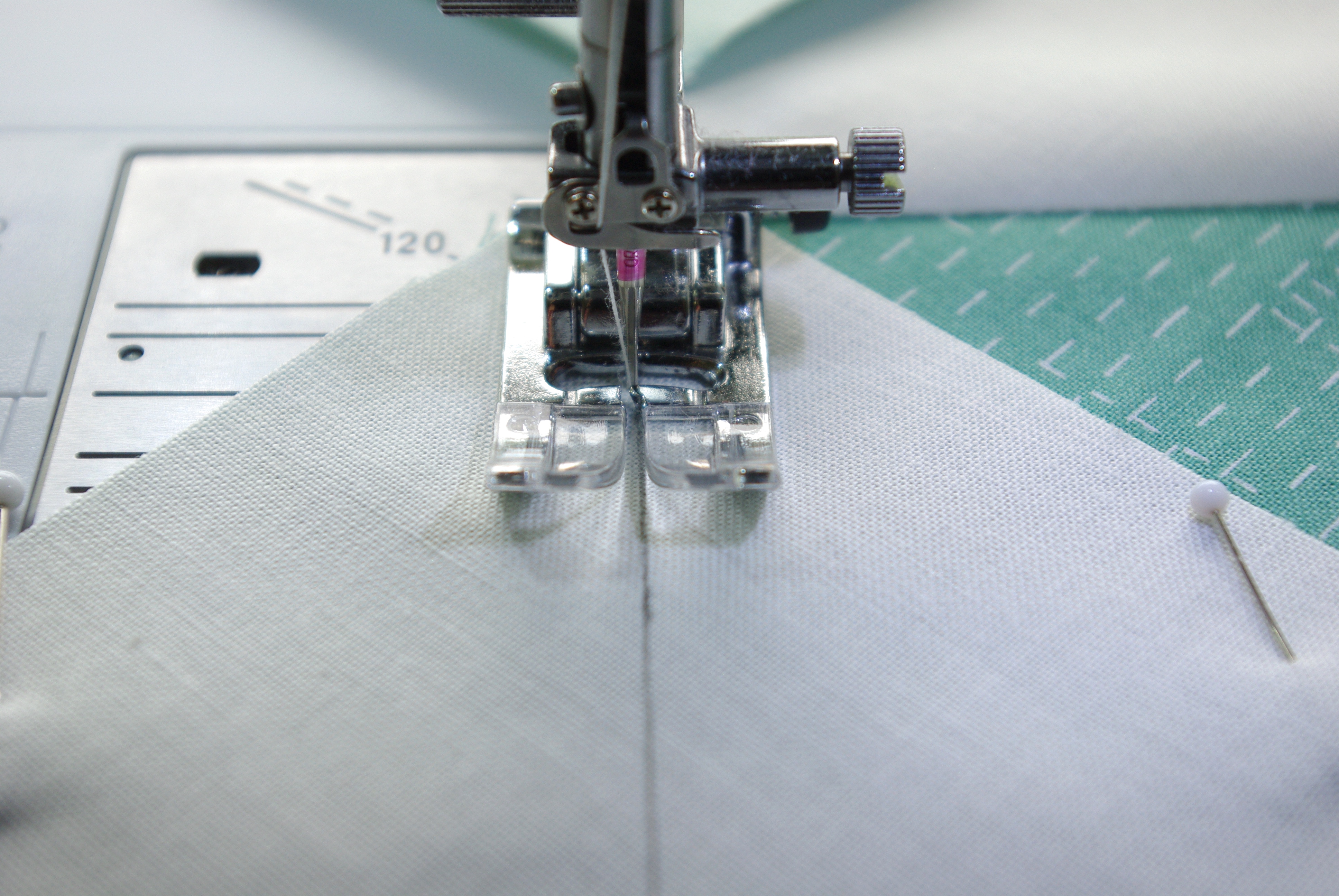
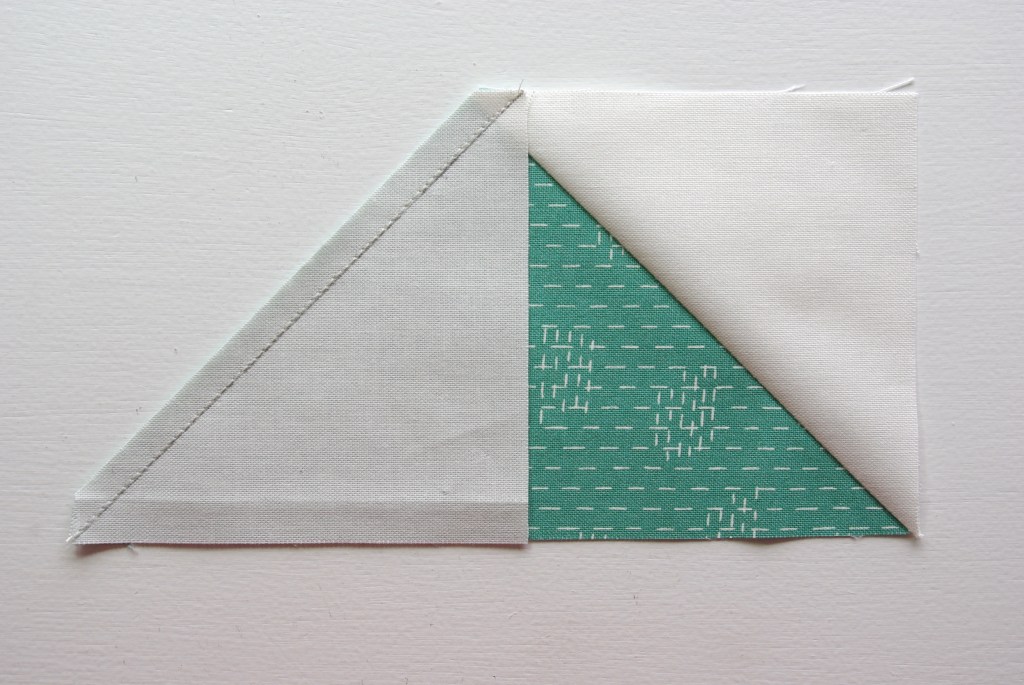
Cut away the corner and press.
And done! A finished flying geese with no trimming required. 🙂
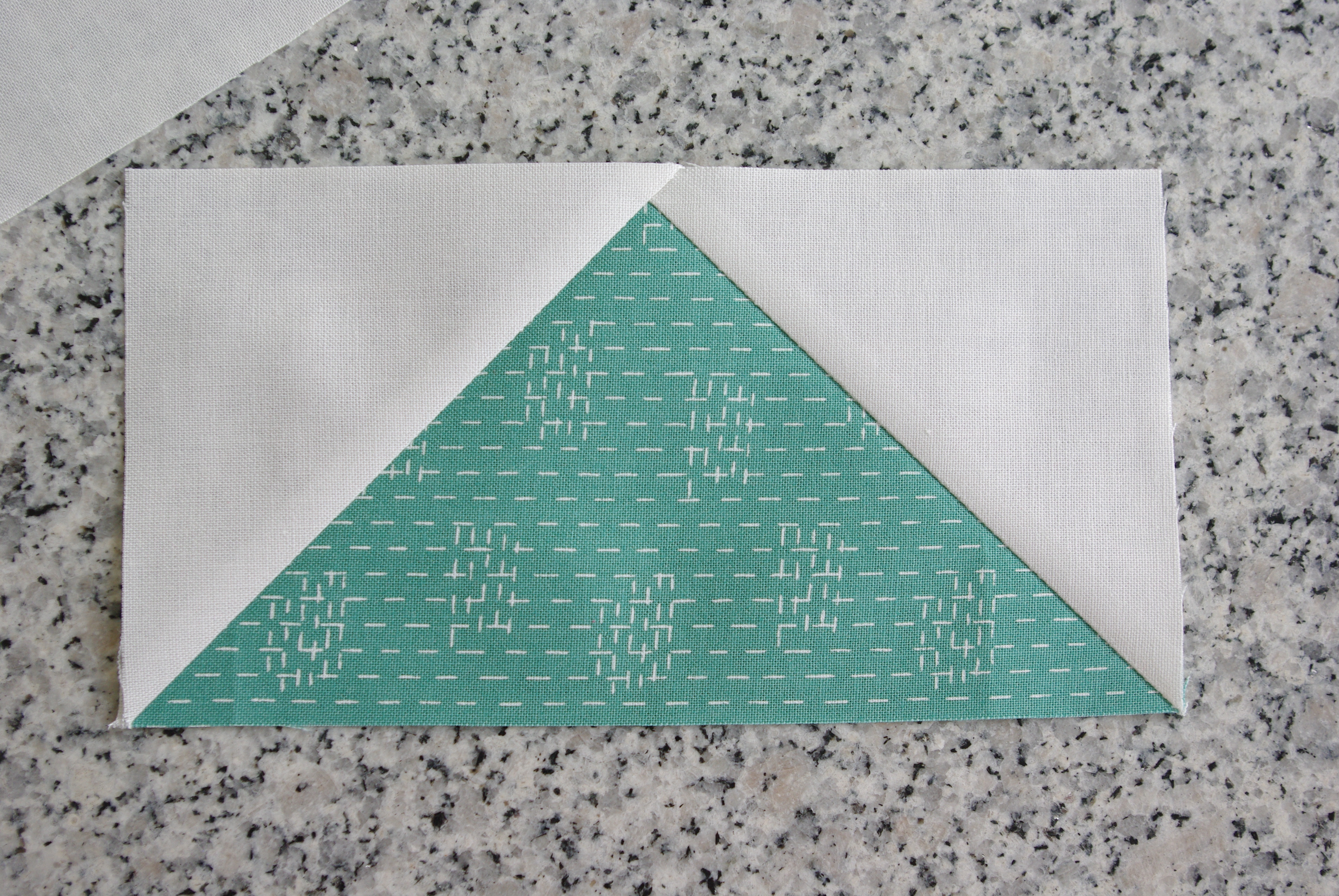
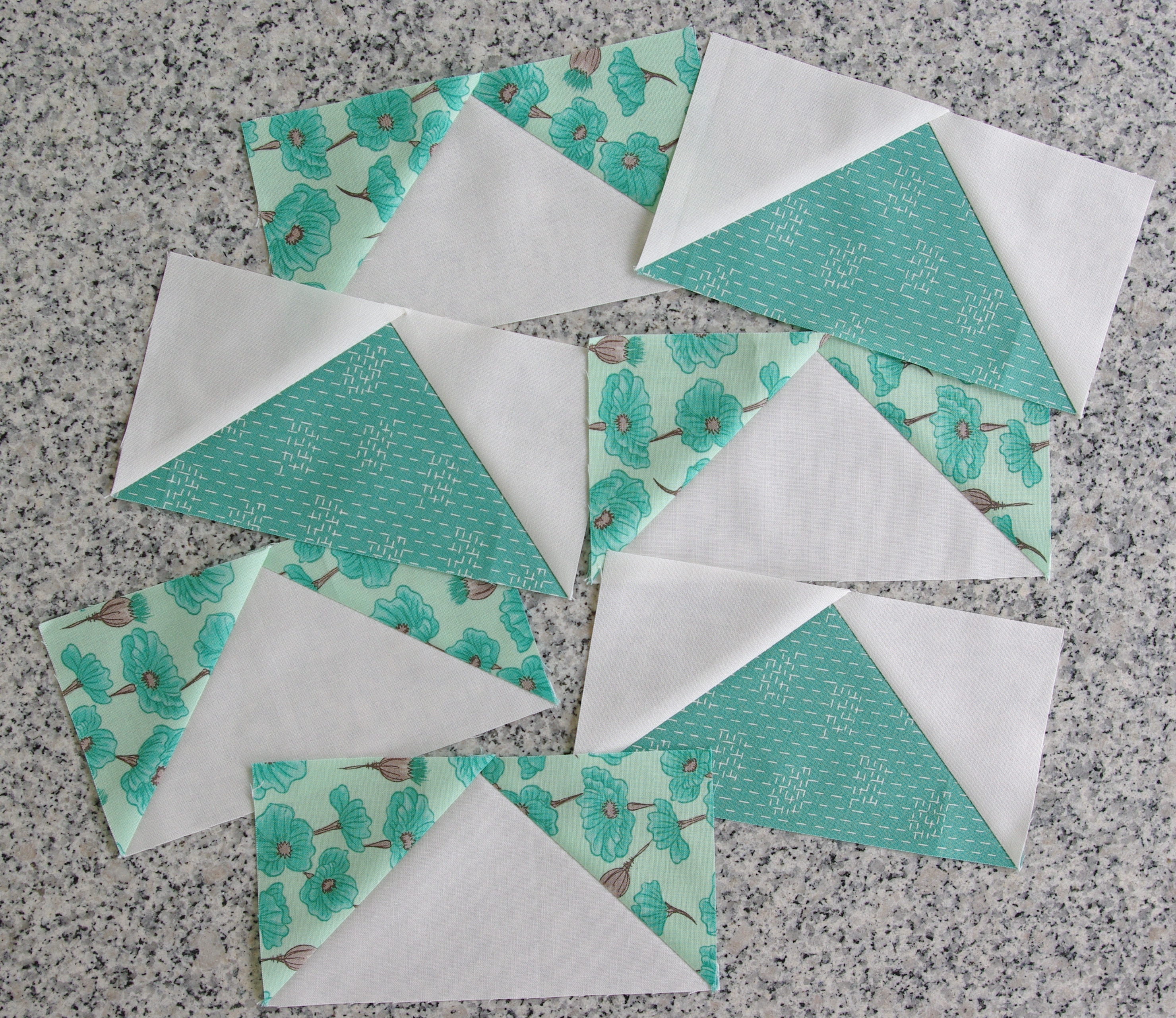
Simple, right?

I made my blocks for a Swoon quilt I have in the works. If you’re making several for a project, they can be chain pieced, one side at a time. It’s a great time-saver.
Now that you’ve added the traditional flying geese block to your quilting repertoire it’s time to experiment and have some fun!

quilting, Uncategorized

Boxed Candy Toss Quilt with Tips & Techniques

I finally did it—I made a quilt for my mom. After making several for other family members, non-relatives and donating a couple, I felt it was about time. (I think she might have been waiting for one for quite some time, too).

When asked what she wanted, I got a few easy requests: the quilt be made from my own pattern, Boxed Candy Toss Quilt  that I use pastel-colored fabrics; and that I do my own quilting, design included. Done, done and done.

At first I thought I’d work on it with no time frame, then I resolved to have it done by Christmas. Since I started early enough, I decided to document the process and share some of the tips and techniques I used when making it.

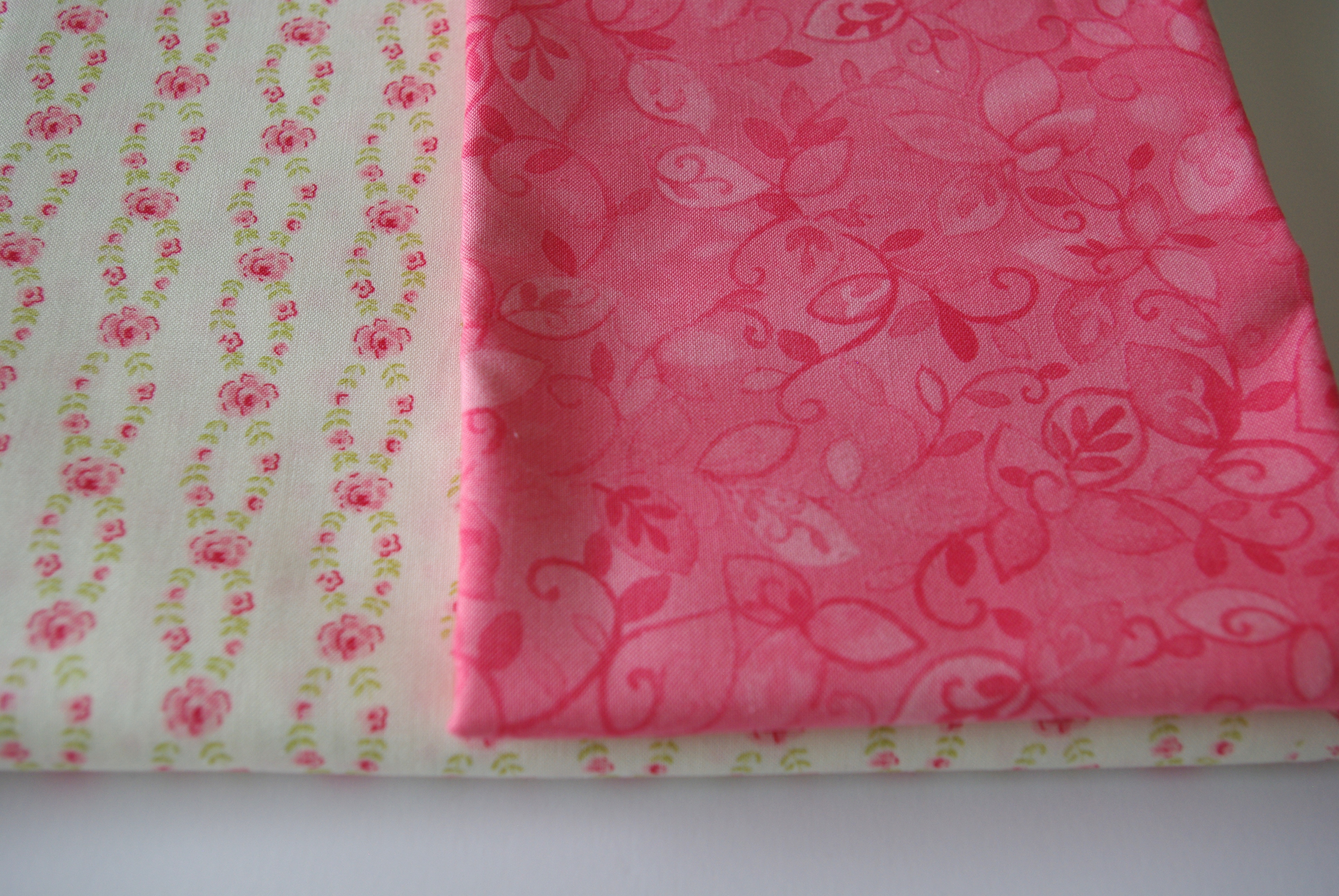
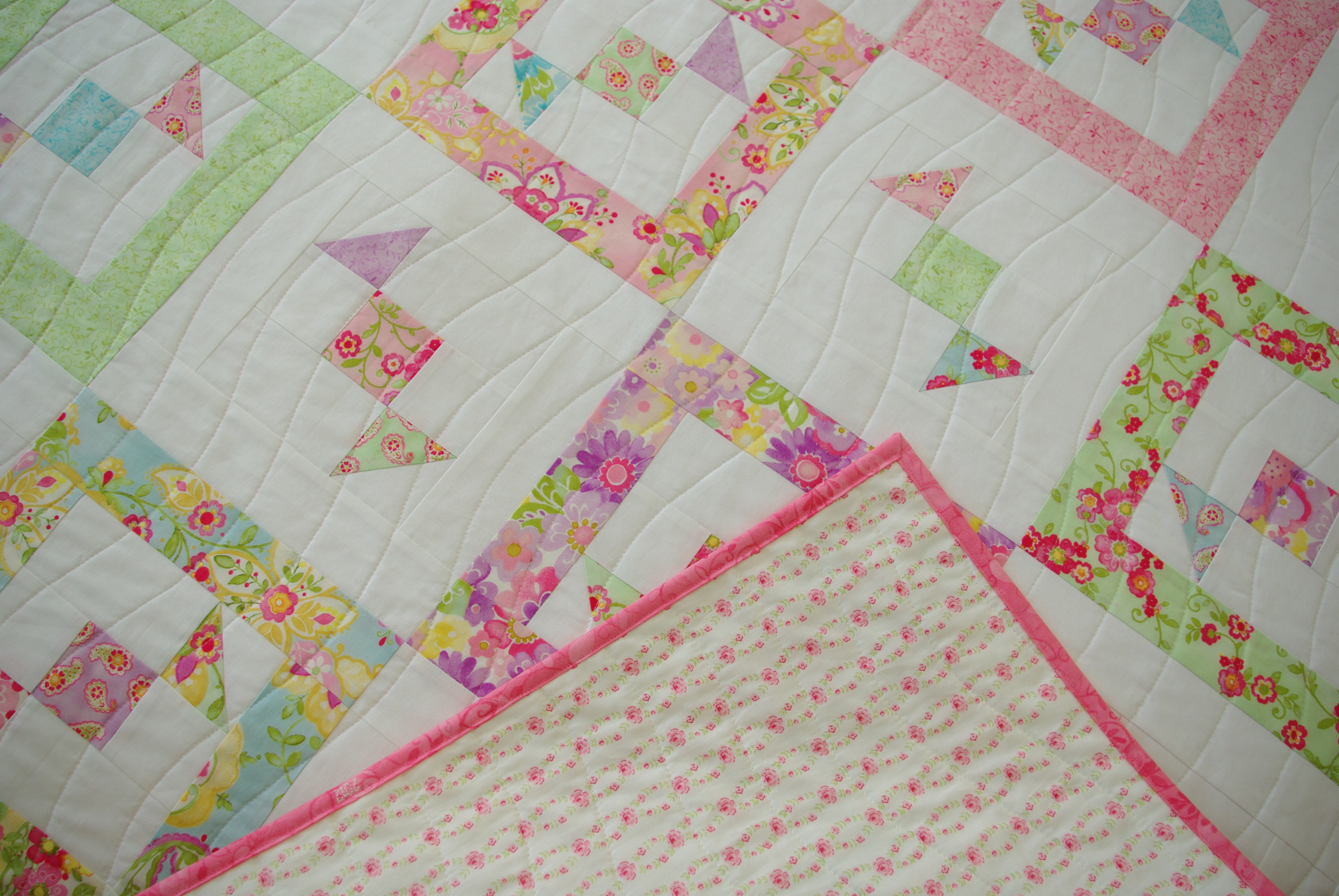
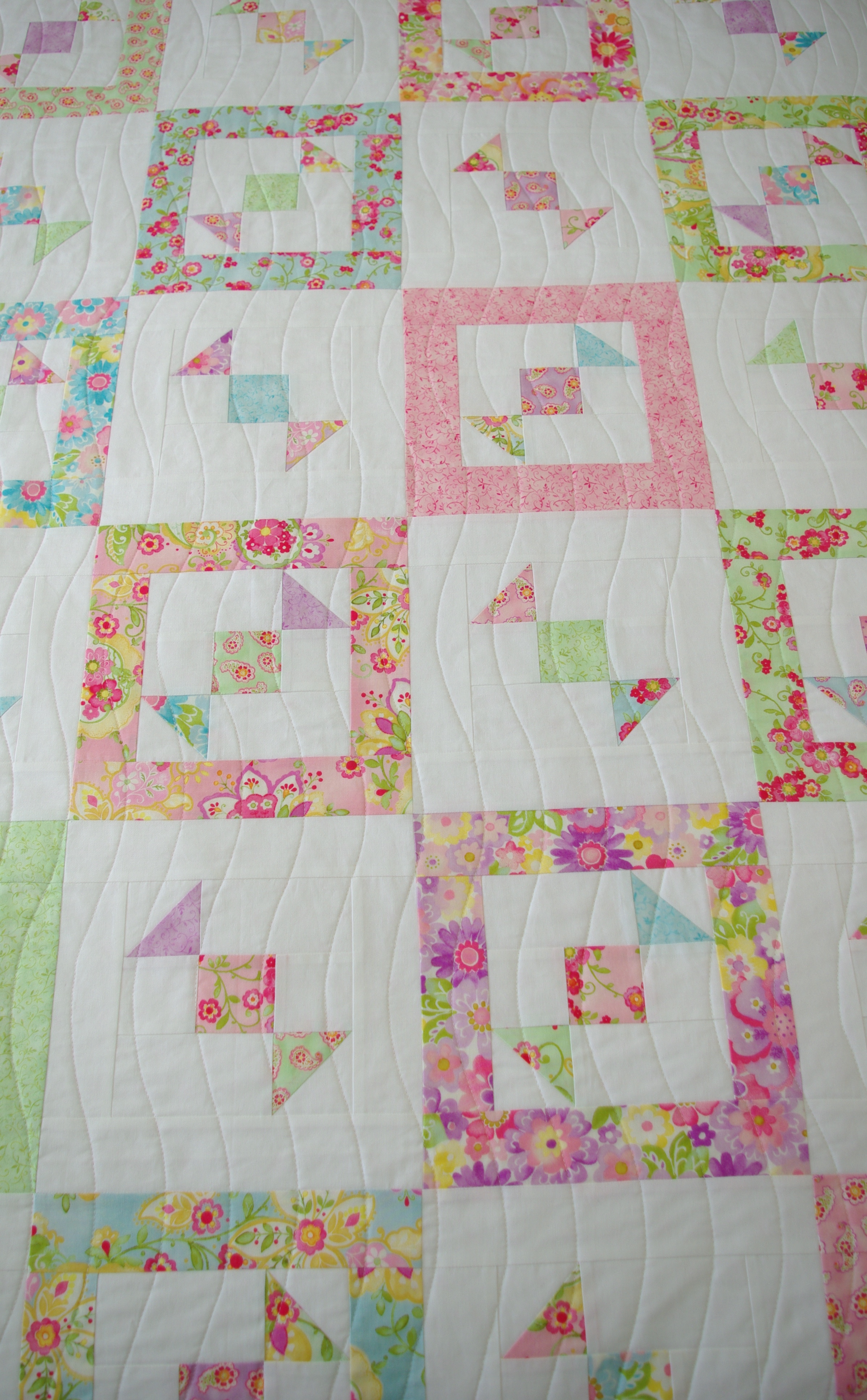
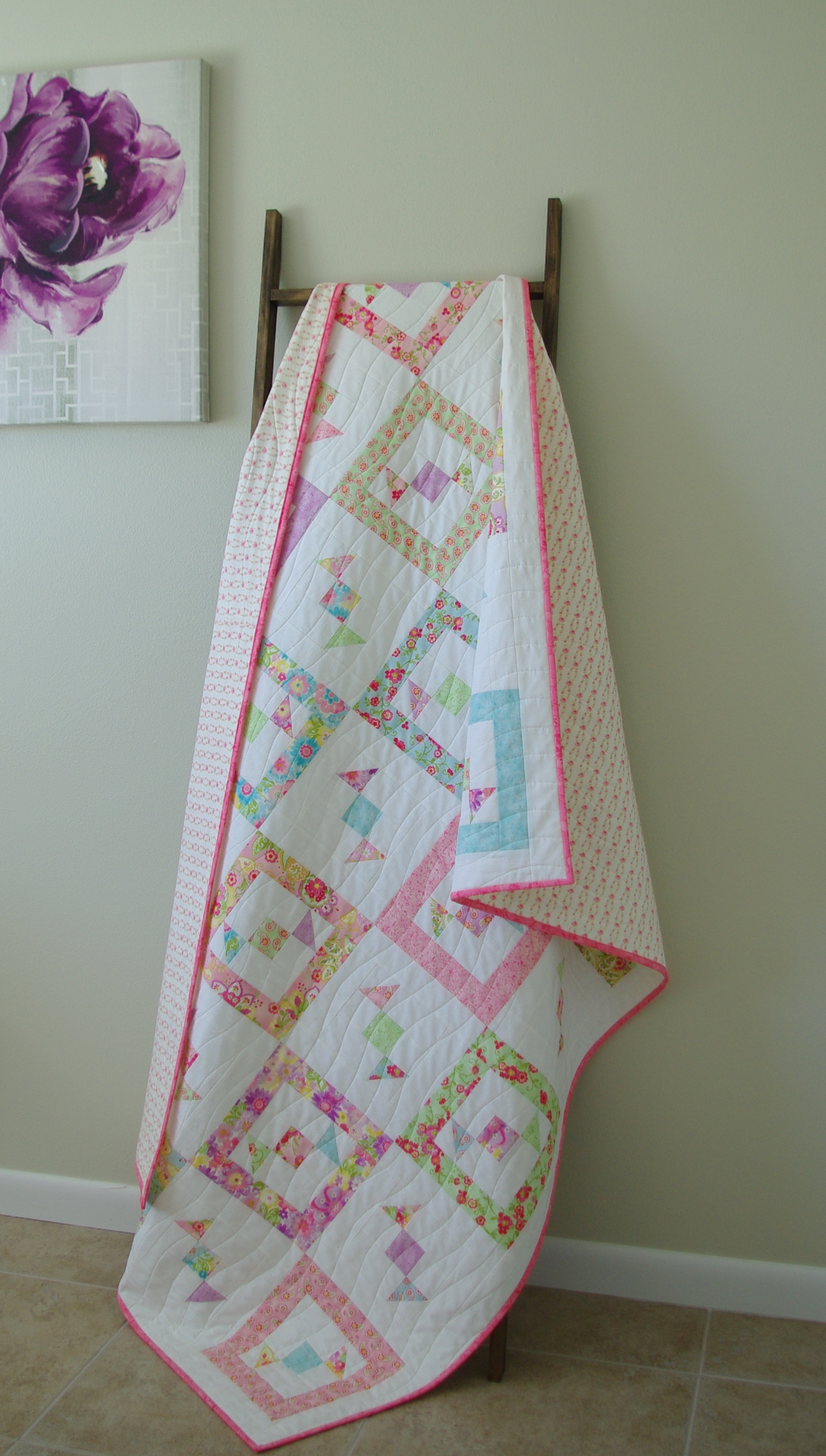
First, the fabric. The quilt top fabric collection is Colette by Chez Moi for Moda (an older collection that I had to have, luckily found on Etsy). The background fabric is Kona Cotton Snow.

The backing (left) is Fleur by Brenda Riddle Designs for Moda and the binding is also Chez Moi from the Nanette collection. I used Aurifil 50wt 2026 for piecing and quilting.

IMGP6631

I have to admit it was a bit weird following my own tutorial, but soon the blocks were done and my quilt top was finished and sandwiched. Before I began quilting, I sewed a basting stitch along the top edge, approximately 1/8″ down, to help to keep everything from shifting and pulling. This is the first time I ever did this and I highly recommend it; it worked great.

IMGP6665

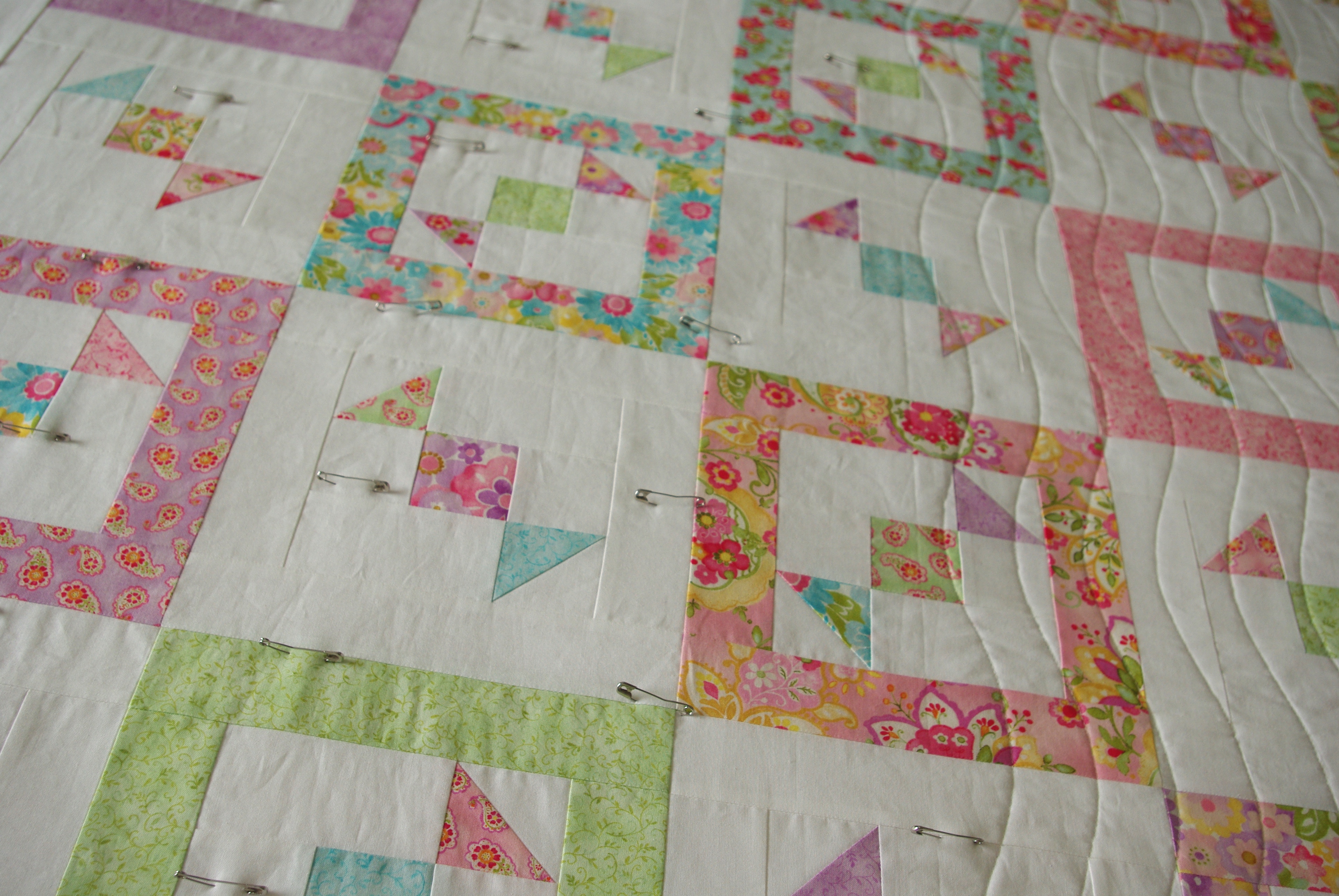
I often think it would be interesting to know how much time we actually spend making a quilt, especially if we do the quilting ourselves. I spent several hours quilting this one, mainly because I used a hera marker for marking the lines (I had to go over them a few times) and the rounded quilting design is more of a challenge than just a straight line—but still fun!

For the wavy lines, I created a quilting template by drawing the design I wanted then tested it to make sure I’d be able to maneuver it through my machine with fluidity. Once I determined it was manageable, I transferred the pattern onto poster board. Something sturdier would have been better, but it worked out OK.

IMGP6659

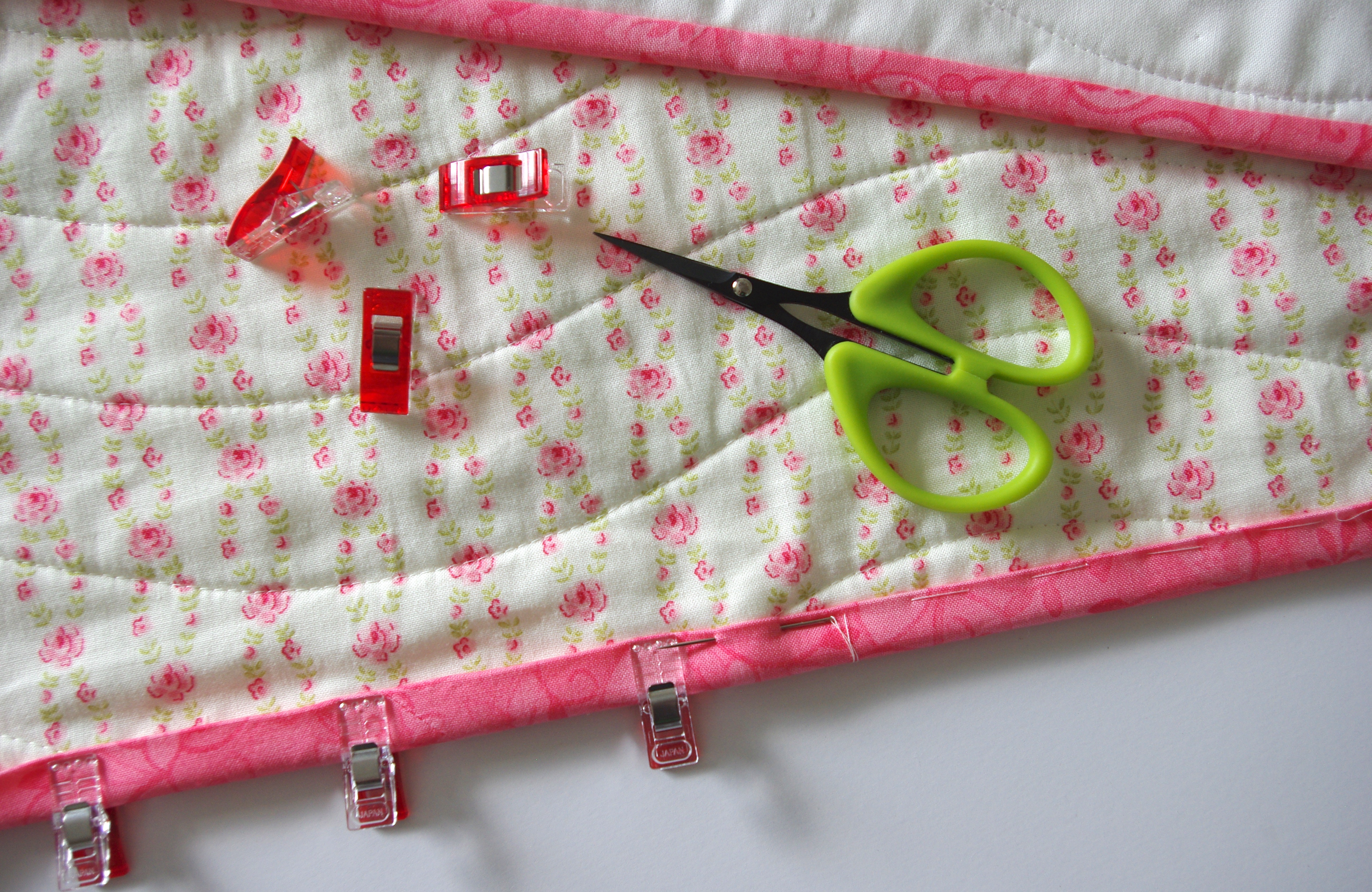
I always make my binding 2 ½” wide and sew it on using my ¼” foot. Once attached, I secure it with wonder clips and run a basting stitch by hand before sewing it down. In the past, I’ve tried removing the clips while machine sewing, but I ended up with crooked binding on the back. The basting stitch keeps everything secure when sewing, especially if machine sewing the binding. Sure, it’s another step but it’s well worth the extra time and effort.

IMGP6668

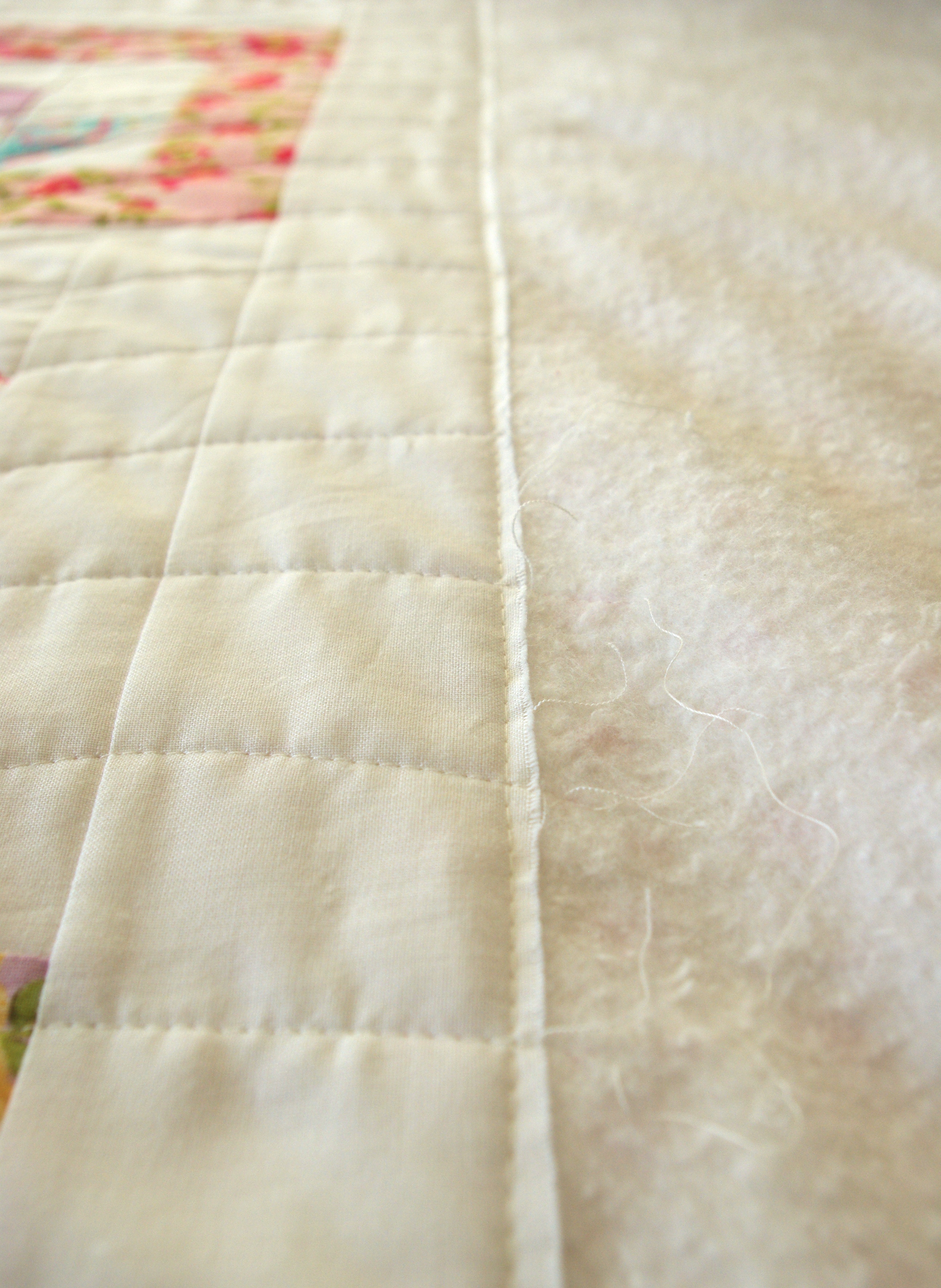
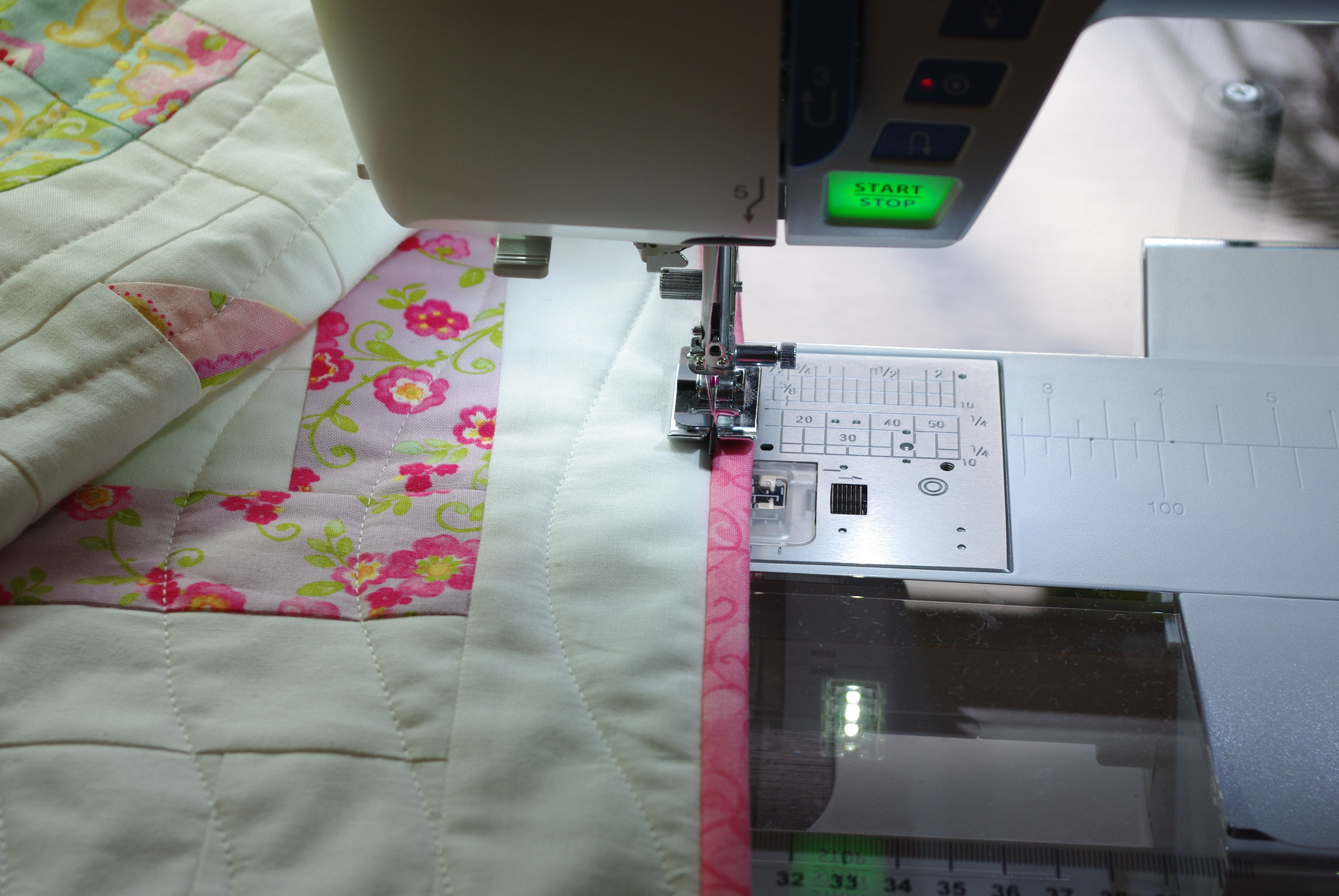
I chose to machine bind this quilt using my stitch-in-the-ditch foot (as I always do when machine binding). In this case, I put my needle setting on 7mm instead of ¼” when I attached the binding to the front.

IMGP6680

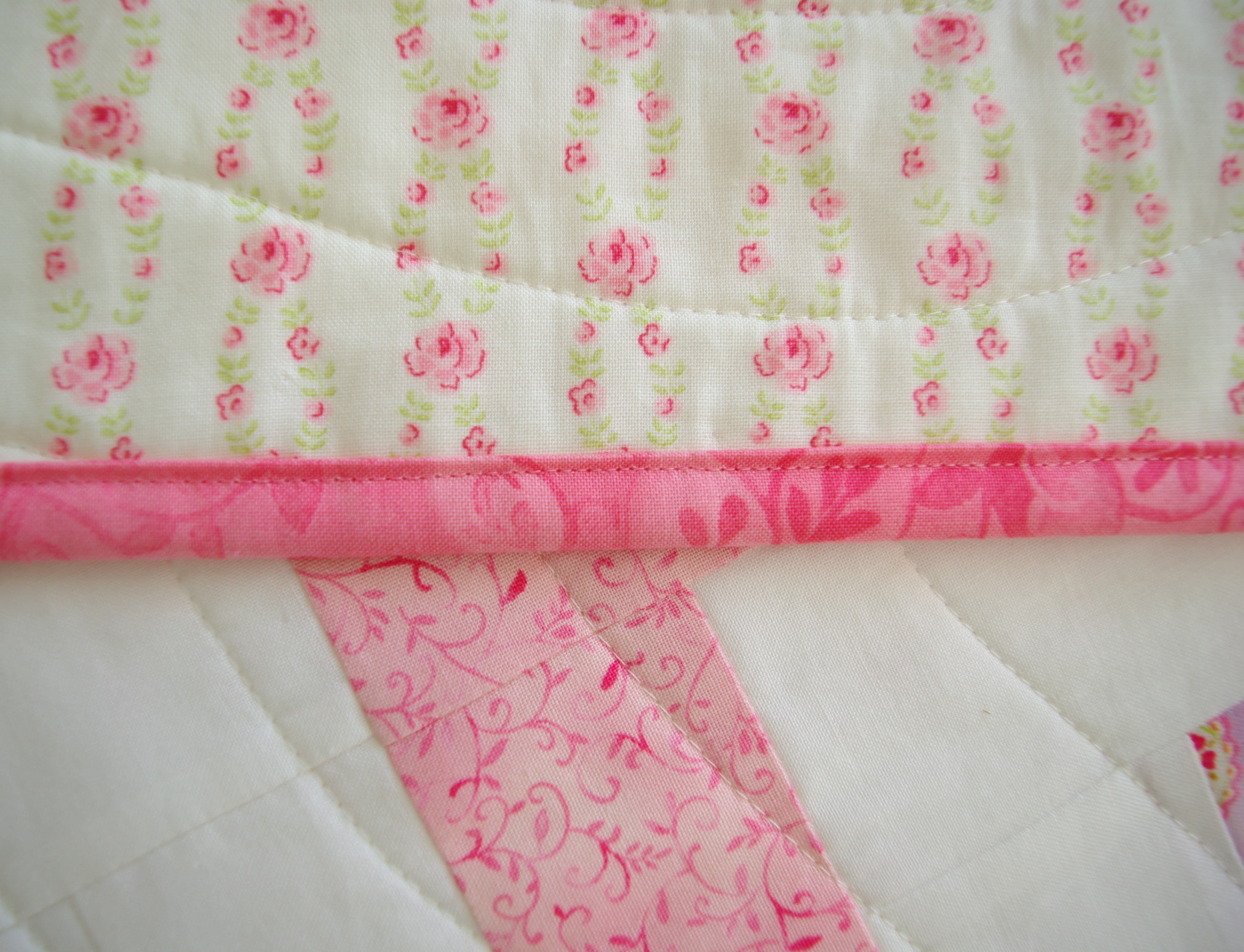
I only use the 7mm setting if there is a border or if cutting off points on blocks is not an issue (as 7mm is a bit wider than ¼”).  And here’s why I chose to do this…

IMGP6692

the stitching on the back ends up nice and close to the binding edge. That extra width makes quite a bit of difference!

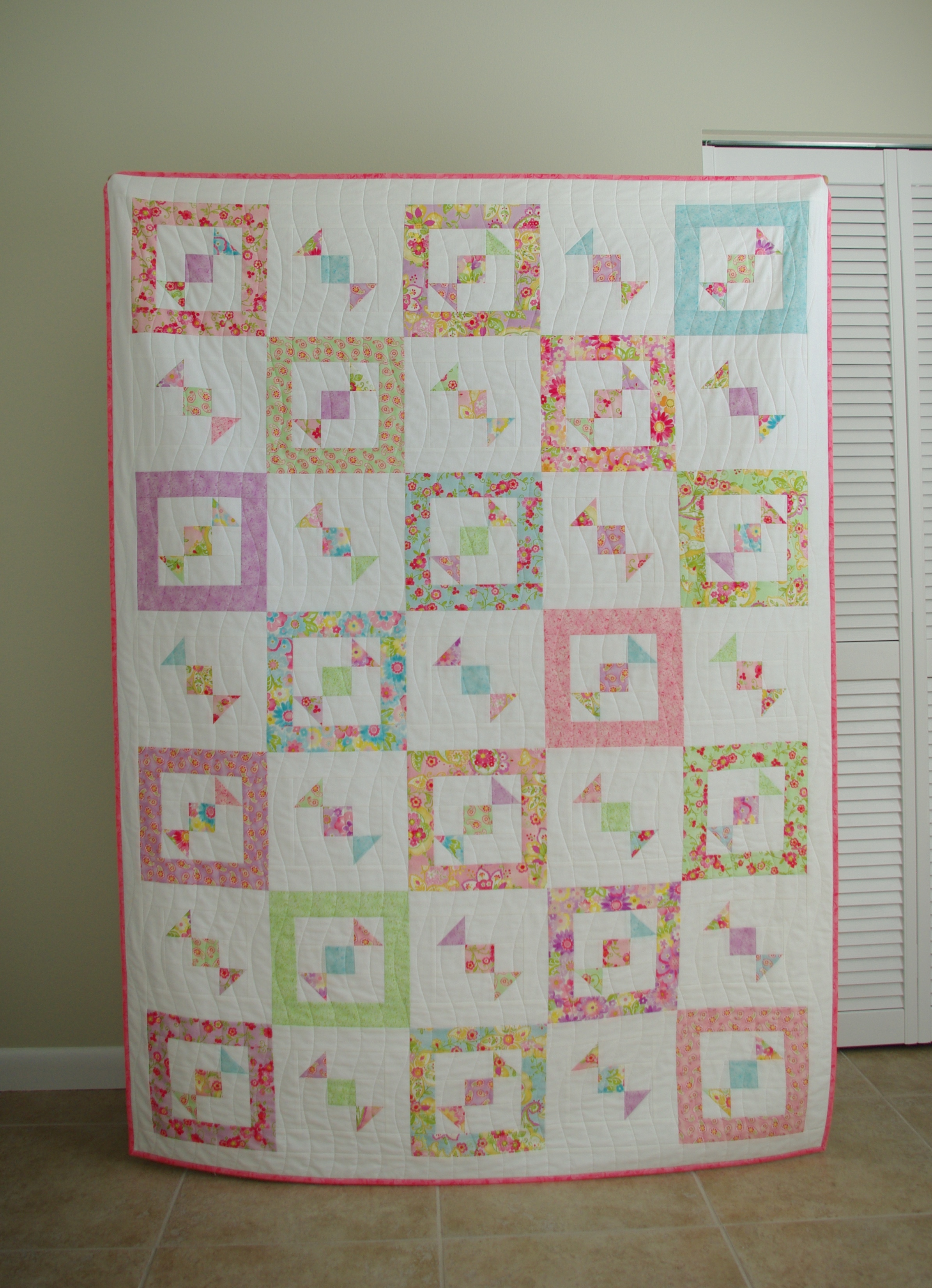
At last, the finished quilt!

IMGP6709

IMGP6702

IMGP6706.jpg

IMGP6710.jpg

I hope you’ll try out some of these methods if you haven’t used them in the past.  Feel free to leave me comment if you do try something; I’d like to know how it works for you.

Uncategorized

Checkered Baby Quilt

When I found out one of my husband’s coworkers/wife (whom I’ve never met) was having a baby, I thought—-why not make a baby quilt instead of buying something? Every baby needs a quilt, right?

That said, I decided to make an easy, beginner friendly quilt and tutorial with the novice in mind.  It seems to me the more experienced we become as quilters, the less we realize how explaining the basics are needed for newcomers.

If you’re new to quilting or know someone who is, I hope you’ll give my free Checkered Baby Quilt a try!  It offers in-depth instructions, it’s loaded with photos & walks you through the entire quilting process, including how to make binding!

Here are a few photos of the quilt…

Have fun if you give it a try!

Uncategorized

Welcome!

Hello and welcome to my first blog! I’m happy you decided to take a look.

I know blogs aren’t quite as popular as they used to be and I may be a little late to the game, but blogging seems to be a mainstay for quilters, and a great way to share, so I figured I’d join in the fun.

My new website is comprehensive as to what I have available currently—free tutorial downloads, links to my patterns for purchase, an about page (if you’re interested…) and  in addition, I plan to post my latest projects, quilting tips, ideas, etc.

I’m also happy to mention that I am privileged to have had a recent project chosen for publication in a popular quilting magazine—coming out this fall!

I hope you stop by frequently as I continue to chronicle my quilting journey.

Deb